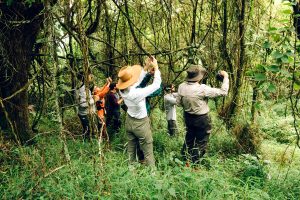
The Muhabura hike starts at the Mgahinga park headquarters and goes up to the summit which is usually covered in fog creating a mystique experience for hikers. The hike takes 8-10 hours and if it clocks 2pm before reaching the second stop, the guides may request you to descend because it may get dark before reaching the summit. You will be accompanied by experienced and armed ranger guides to lead you on the way up and protect you from wild animals that you may encounter along the way. The journey upward starts with payment, registration and briefing at the Ntebeko Visitors center in Mgahinga national park. It is recommended to stay near the park in order to start the hike early by 7am so as to have ample time to reach the summit and descend.
The first stop is at about 3,117 meters above sea level while the second is at about 3,860 meters above sea level. You will pass through montane forest and slowly transition to a rocky slope of volcanic rock up towards lobelias, groundels and hypericum flowers at higher altitudes. If you are lucky to not be besieged by fog on your upwards descent, you will have clear views of Kisoro town, Lake Bunyonyi, and even the other Virungas stretching into Rwanda and Congo. After the second stop, you will follow the newly constructed wooden stairs winding their way up the mountain summit, creating a pathway through giant lobelia and trees dripping with Spanish moss.
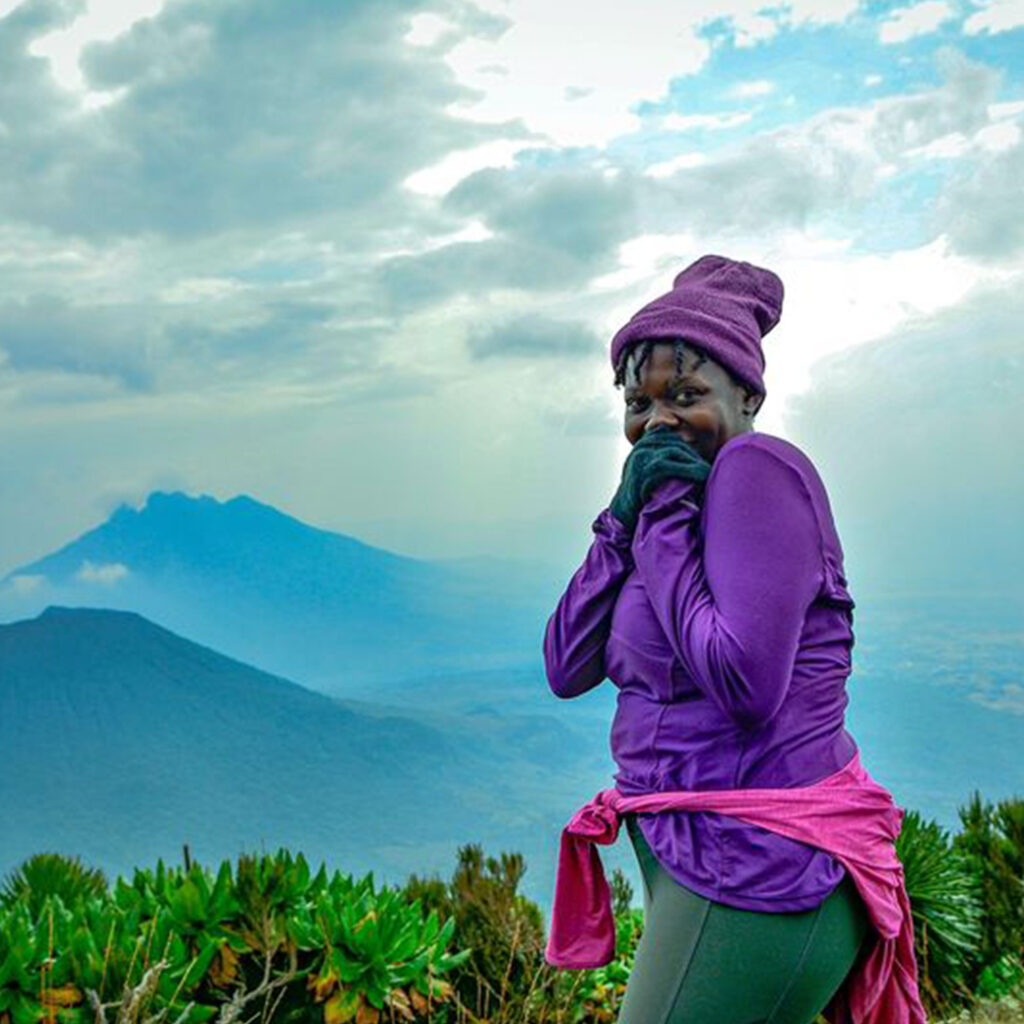
After several hours of trekking, you will arrive at the summit. The feeling of accomplishment as you stand atop Mount Muhabura is unparalleled. The panoramic views are nothing short of spectacular on a clear day as you can see the Rwenzori Mountains, the sweeping valleys of Uganda, and the neighboring peaks of the Virunga range. The crater at the summit, often shrouded in mist, adds an air of mystique. It’s a perfect spot to take a moment to breathe in the beauty and reflect on the journey. Many hikers describe this moment as a spiritual experience, feeling a deep connection to nature and the earth beneath their feet.
PREPARATION FOR THE HIKE
Muhabura is a steep, conical volcano that continues steeply upwards until you reach the summit. This therefore requires ample preparation both physically and mentally. If you’re not used to high altitudes, consider spending a day or two in the region to acclimatize before your hike. You will need to drink plenty of water, take some medications with you as you may be affected by the shift in altitude and drastic changes in weather. You should also carry extra layers as it gets cold the higher you go. You will need to pack a lunch box and enough drinking water plus some sweets and energy boosting snacks to keep you hydrated and energized as you take the hike challenge. Sturdy hiking boots, a rain jacket and a pair of binoculars are essential as you take up to the summit.
BEST TIME TO HIKE
Hiking mount Muhabura can be done all year round but the dry months are most preferable for clear game and sightseeing. The dry months of June to September and December to February are preferred as the hiking trails are less slippery and more accessible making the already challenging hike a little easier. Also the dry months may offer clear sky afternoons which are good for sightseeing and taking pictures. The other wet months are also good, especially for bird lovers to capture migratory and endemic bird species of the Albertine rift as you hike Mount Muhabura.
WILDLIFE AT MOUNTAIN MUHABURA
Mount Muhabura is part of the large Mgahinga national park area and therefore offers bio diverse wildlife, abundant plant and bird life. The variety of birds in this place makes it a birder’s paradise with a few endemic and migratory species. You may see forest elephants, giant forest hogs, bushbucks, buffalos, bush pigs, golden monkeys, black and white colobus monkeys, vervet and red tailed monkeys and the endangered mountain gorillas. There are about 180 bird species which is your sign to keep your binoculars close in order to spot the Rwenzori turaco, white naped raven, yellow-vented bulbul, stone chat, pin-tailed whydahs, paradise flycatchers, fire-finch, black kite, double collared sunbird, blue headed coucal, gray capped warblers, Rwenzori nightjars, paradise flycatchers, alpine chat and waxbill among many others.
CULTURAL SIGNIFICANCE OF MOUNT MUHABURA
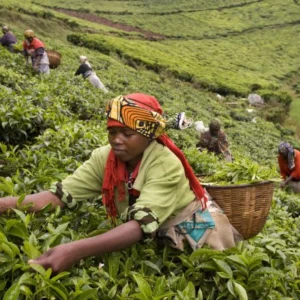
The area around Mount Muhabura is rich in cultural heritage. The local Bakiga and Batwa communities have inhabited these mountains for generations. Their connection to the land runs deep, and they are often eager to share their traditions with visitors. Engaging with local communities can enhance your hiking experience. You may have the opportunity to participate in traditional dances, taste local cuisine, or learn about their sustainable farming practices. A hike to Mount Muhabura can be combined with a gorilla trekking tour in Mgahinga national park and a cultural tour of the Batwa forest people and end with relaxation at Lake Bunyonyi. This can be easily arranged through a reliable local tour operator for an ultimate adventure in Uganda.
Hiking Mount Muhabura is more than just a physical challenge; it’s an opportunity to connect with nature, experience breathtaking views, and immerse yourself in the vibrant culture of Uganda. Whether you’re an experienced hiker or a casual adventurer, the rewards of this journey are immeasurable. So pack your gear, lace up your boots, and set out on an adventure that will leave you with memories to cherish for a lifetime.