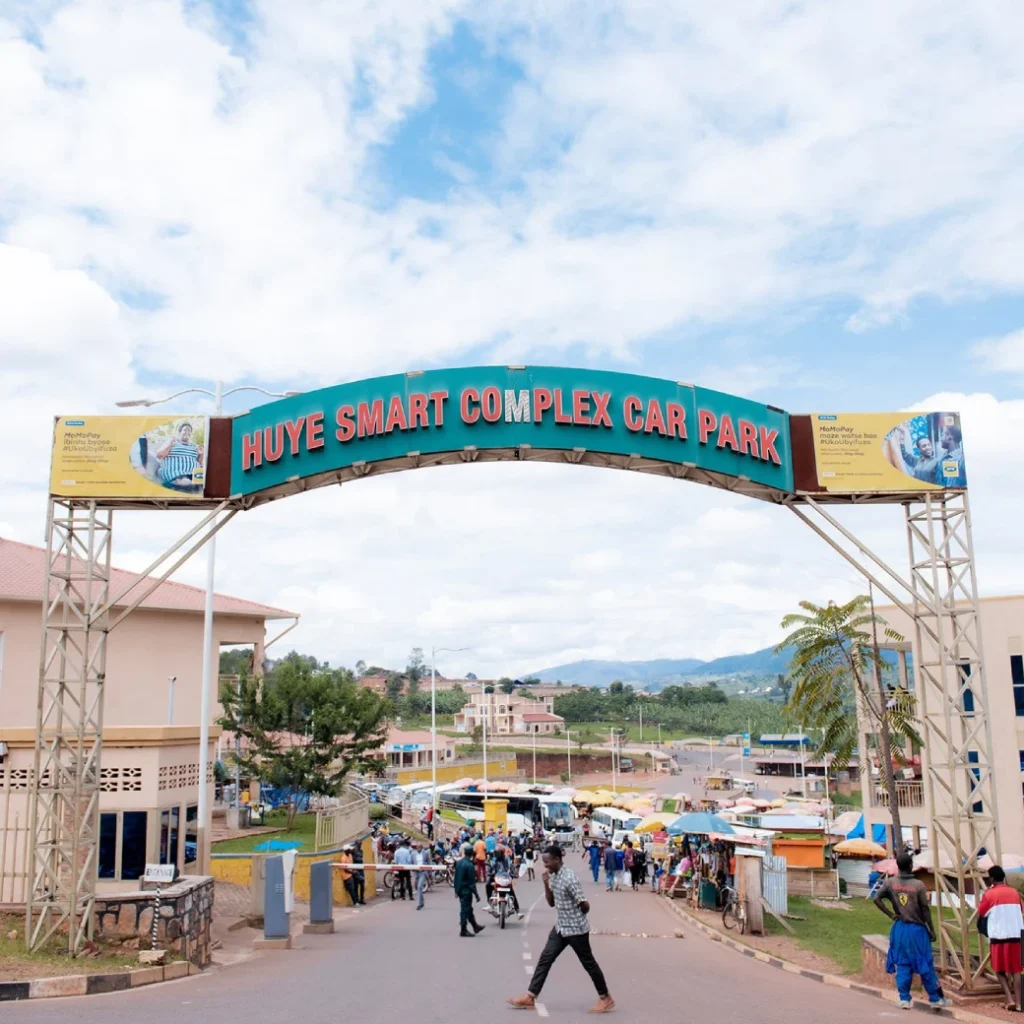
Huye served as the administrative centre of the northern half of Ruanda-Urundi in the colonial era, when it was popular with Belgium settlers and it was the second largest town in the joint territory after the capital Bujumbura of Burundi. At the time of independence, it seemed almost inevitable that Huye would become the capital city of Rwanda but in the end Kigali was fovoured for its more central location but even at that Huye remains peaceful and compact and the fourth largest town in Rwanda.
How To Get To Huye in Rwanda
Road Transport to Huye:
Huye lies 136km south of Kigali and it is a two hour drive from and to, can be accessible by self driven a refill of the car’s fuel can be done as the town is surrounded by different fuel stations like kobil petrol station,Engen Gas station, Mt Meru Petrol Station among others a litre of petrol costing Rfr1574, diesel costing Rfr1576 or by bus for people looking at using public transport, most minibus-taxi from Kigali will drop you either at a bus station on the northern edge of the town or opposite the town market by kobil petrol station the bus fare for the bus from Kigali is Rfr2,500, while regular minibuses fom Nyanza cost Rfr600, there are also direct minibuses to Huye from Rusinzi also known as Cyangugu and Muhanga also known as Gitarama.
And when you are ready to leave Huye, most minibus-taxi depart from the bus station opposite the stadium about 500m north of the town centre these buses are run by Volcano Express offers regular depatures next to Kobil filling station on the main road.
What To See In Huye
National Museum Of Rwanda.
- History Of The National Museum Of Rwanda.
The National Museum of Rwanda is a significant cultural institution that showcases the country’s history, heritage, and traditions. It was established in 1989 in order to preserve the country’s rich cultural heritage and to share Rwanda’s history with both locals and visitors. It is part of Rwanda’s broader effort to promote cultural awareness and pride, particularly following the aftermath of the 1994 genocide.it provides a deeper look at the historical, cultural, and social evolution of Rwanda, as well as the country’s natural history. Through its exhibits, the museum aims to educate people about Rwanda’s diverse cultures, traditions, and the country’s struggles and triumphs throughout its history.
- Location National Museum Of Rwanda in Huye.
The National Museum of Rwanda is located in Huye formerly known as Butare, which is in the southern part of the country one of kigali’s supporting cities. It is significant as a center of education and culture in Rwanda, and it is home to one of the country’s top universities, the University of Rwanda. The museum is situated about 135 kilometers, 84 miles south of Kigali, making it accessible by road for visitors traveling from the capital.
- What to See At The National Museum;
The museum displays various artifacts and objects from Rwanda’s early history. This includes ancient tools, pottery, and remnants from the early human settlements in the region, offering insight into the evolution of Rwanda’s societies.
Cultural Display:
The museum has a rich ethnographic collection that showcases the cultural practices, traditional clothing, art, and artifacts of Rwanda’s diverse ethnic groups, including the Hutu, Tutsi, and Twa communities.Visitors can learn about Rwanda’s social structures, customs, and the significance of symbols and rituals in Rwandan life.These exhibits offer a detailed look at Rwanda’s colonial past, the struggles during Belgian and German rule, and the path toward independence in the 1960s.The museum also provides an in-depth look at the events leading up to and following the 1994 Rwandan Genocide, emphasizing the resilience and recovery of the country.
- Traditional Arts and Crafts:You can explore traditional Rwandan craftsmanship, including woven baskets agasekein Kinyarwanda a language spoken by Rwandanpeople, wood carvings, and other hand-made goods. These items are a reflection of the artistic talent and craftsmanship that has been passed down through generations.it also has displays related to Rwanda’s flora and fauna, offering information about the country’s biodiversity. Rwanda is home to a variety of wildlife, including the endangered mountain gorillas, and the museum helps educate visitors about these species and their conservation.
- Rwandan Music and Dance: The museum highlights Rwanda’s musical heritage, showcasing traditional instruments like drums called ingoma in Kinyarwanda and stringed instruments. Music and dance are important parts of Rwandan culture, and visitors can learn about their roles in ceremonies and celebrations.
- Theme on Rwandan Unity and Reconstruction; The museum emphasizes Rwanda’s journey of unity and reconciliation following the 1994 genocide. Exhibits reflect the country’s efforts to rebuild, promote national unity, and create a peaceful, inclusive society. The museum also offers interactivelearningexperiences, including visual displays and educational programs for visitors of all ages. It’s a great place for both locals and tourists to engage with the country’s heritage and understand Rwanda’s journey toward peace and development. The museum is set in a beautiful environment with gardens that allow for a peaceful and reflective visit.
After the visit to the national museum a stop to the University of Rwanda, the huge red-brick Roman Catholic Cathedral built in 1930 in memory of Belgium’s Princess Astrid it is the largest and worth a visit, Huye tannery which was established by Benedictine monk who did his internship in Europe watch the artisans at all stages in the process from making the moulds to pouring, burnishing and welding products are sold at the tinnery’s on-site shop as well as hotel boutiques shops in Kigali, lastly the fertile slopes around mountain Huye, west of the town, lie at the heart of the region’s coffee growing country the green hills swathed in coffee shrubs and other lush vegetation is one of the most scenic parts of Rwanda.
ACCOMMODATION IN AND AROUND HUYE
- Centre D’Accueil Mater Boni Consilii;
This is classy hotel owned by Abiszemariya Sisters and its profits are used to take care of orphans, the handicapped and other marginalized people, it is found 10 minutes’ walk from the bus station and about twice that distance from the city Centre, it has a good restaurant, high speed Wi-Fi, conference facilities, a chapel and a well-tended en-suite rooms which come with hot showers and DSTV. The accommodation fee is Rfr30,000 singles, Rfr50,000/60,000 double bed and breakfast inclusive.
- Credo Hotel;
This is an average hotel situated 500m from the town Centre along the road to the university, it is the only hotel with a swimming pool around here all rooms are en-suite, with impeccably clean WC and showers most rooms have a TV, phone and balcony. It offers a peaceful view across fields at the back and facilities include a swimming pool, restaurant and outdoor poolside restaurant, hotel fees Rfr20,00 -40,000 single, and Rfr25,000-45,000 double all including Bed and Breakfast.