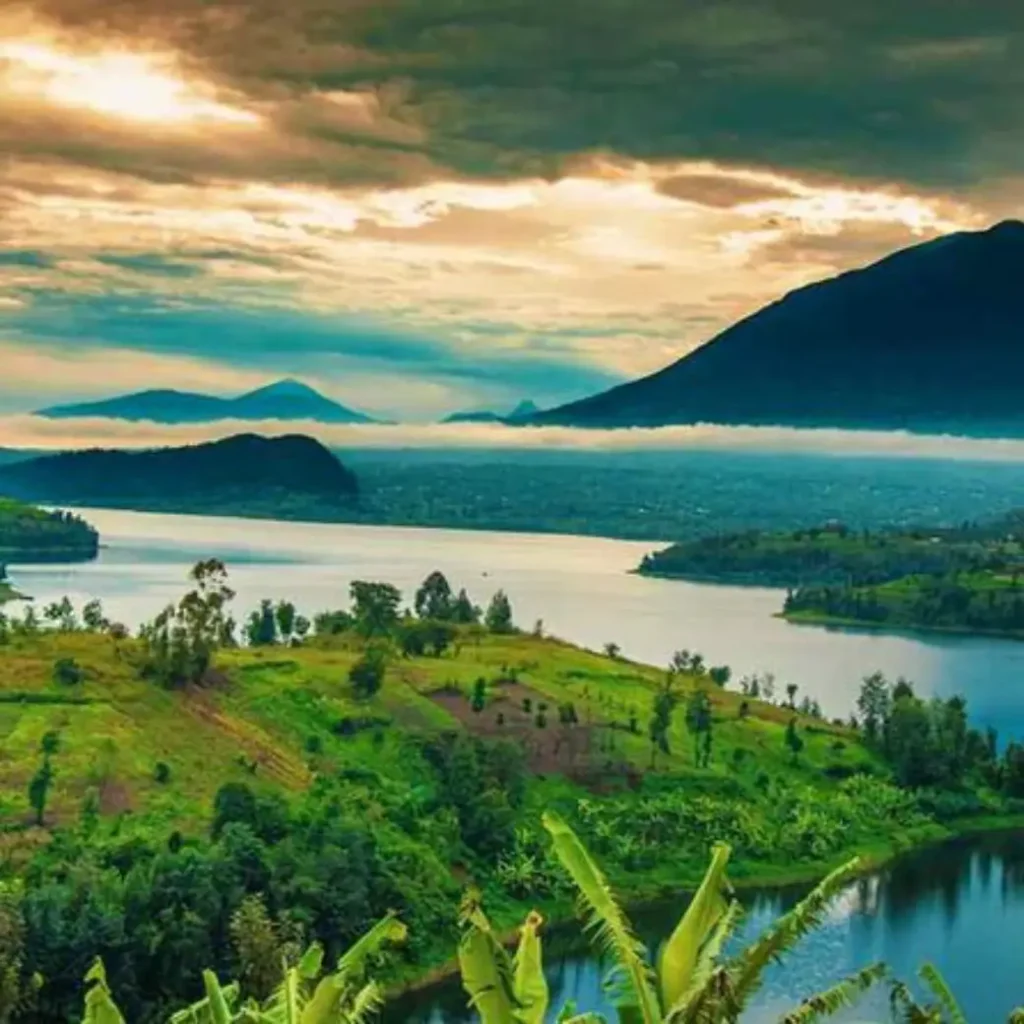
Lake Burera
Lake Burera is the larger and arguably the most beautiful lake in the Musanze region. With an eccentric, irregular shape framed by steep, terraced hills, it evokes comparisons to Uganda’s Lake Bunyonyi. The slopes surrounding Burera are densely cultivated, primarily with plantains, beans, and potatoes and the most dominant tree in the area is the fast-growing eucalyptus, originally introduced from Australia.
What makes Burera especially striking is its setting. The Virunga volcanoes, Gahinga, Muhavura, Sabyinyo, Karisimbi and Bisoke with the closest just 10 kilometers away, form a stunning backdrop. To the south, the lake borders the Rugezi Wetland, an important ecological area that adds to the diversity to the region.
Lake Ruhondo
Like its twin, Lake Ruhondo is an erratically shaped body of water, its shores following the sharp contours of the highland hills. These steep slopes are also heavily cultivated, leaving little of the original vegetation intact, yet the landscape remains visually dramatic. The views across Ruhondo to the volcanic cones of the Virunga Mountains are especially compelling, particularly at sunrise or sunset.
Ruhondo’s shores are dotted with a growing number of accommodation options, making it an ideal base for visitors wishing to extend their stay and soak in the peaceful atmosphere.
Size and Depth of the Twin Lakes Burera and Ruhondo
Though they are often referred to as twin lakes due to their proximity and shared volcanic history, Burera and Ruhondo each have a distinct identity. Lake Burera lies roughly 150 meters higher than Ruhondo and drains into Lake Ruhondo via a steep pipeline, which also serves the Ntaruka Hydropower Station. The lakes are separated by a narrow 1-kilometer-wide strip of land believed to have been formed by lava flows from Mount Sabyinyo. Lakes Burera and Ruhondo have a maximum area of about 55 square kilometers and 26.6 square kilometers resspectively
Both lakes are estimated to be around 180 meters deep, with cool, clear waters that are free of crocodiles making them safe for swimming and fishing. They are a perfect detour for visitors returning from Volcanoes National Park, particularly those who’ve just experienced the thrill of gorilla or golden monkey trekking.
Burera and Ruhondo are ideal for exploration by boat, offering access to a number of small islands. Lake Burera is home to five islands, including Muhabura, Bushongo, Bishosho, Munanira, and Cuza. Lake Ruhondo has eight islands of its own, each offering a different vantage point and sense of seclusion.
For those who prefer land-based activities, the surrounding hills provide excellent picnic spots and viewpoints, perfect for photography, birdwatching, or simply enjoying the serenity of the highlands.
Formation of the twin Lakes Burera and Ruhondo
Lakes Burera and Ruhondo were formed as a result of volcanic activity from the nearby Mountains of Muhabura and Karisimbi, part of the Virunga volcanic range. These lakes are classified as lava-dammed lakes, a type of lake created when flowing lava blocks a river’s natural course.
During a series of ancient volcanic eruptions near the Nyabarongo River, molten lava poured into the valley, solidified, and obstructed the river’s flow. This caused water to accumulate and form a large lake. In a later eruption, lava from Mount Sabyinyo created a narrow, kilometer-wide strip of land that divided the original body of water into two distinct lakes—now known as Burera and Ruhondo.
What to do during your visit to the Twin Lakes
- Canoeing and Boat Cruises
Visitors to the twin lakes may go on a canoeing or boat excursion on the lakes where they will enjoy the acquatic bird life, views of the beautiful sunrise and sunset as well as the beautifully terraced hills surrounding the lakes. Visitors are also welcome to take swimming or canoeing lessons from skilled boatmen on the islands.
- Hiking
The landscape around the twin lakes, characterized by Rwanda’s signature hilly terrain, offers excellent opportunities for hiking. Several marked trails wind through the highlands, providing panoramic views of the lakes and nearby communities.
- Photography
The twin lakes provide stunning photographic opportunities, framed by beautifully terraced hills, clear blue skies in the dry season, and deep, crystal-blue waters.
- Community Walks and Village Tours
During a guided walk through the nearby towns and villages, visitors have the chance to interact with local residents, enjoy performances by traditional entertainment groups, hear folktales shared by community elders, and gain insight into Rwanda’s rich cultural heritage.
- Farm Visits
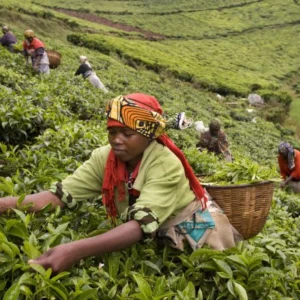
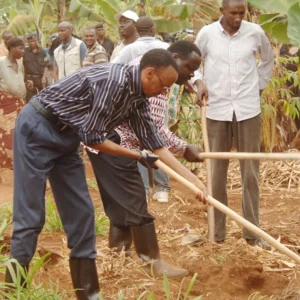
Visitors can take part in farm activities on island farms, including digging, harvesting, and picking fruits, tea, or coffee, followed by a locally prepared lunch with a host family.
- Bird Watching
The twin lakes are rich in birdlife, hosting a variety of both endemic and migratory species that arrive during certain seasons from surrounding regions. Notable birds in the area include herons, kingfishers, hamerkops, red-faced woodland warblers, strange weavers, yellow-billed ducks, Ruwenzori turacos, handsome francolins, cormorants, hadada ibises, yellow-billed storks, African fish eagles, black saw-wings, and African crowned cranes, among others. Birdwatching is best enjoyed with the guidance of an experienced birding expert.
- Fishing
Visitors to Rwanda’s twin lakes can enjoy fishing experiences guided by local fishermen who demonstrate traditional fishing techniques.
Other Activities to do near Lakes Burera and Ruhondo
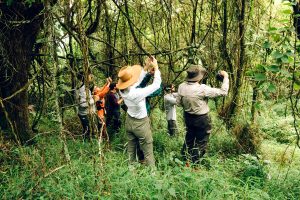
Other activities include nature hikes, motorcycling, exploring the Musanze Caves, visiting the Iby’iwacu Cultural Village, and trekking to see gorillas and golden monkeys in Volcanoes National Park.
How to get to Lakes Burera and Ruhondo
The lakes are accessible by road from Kigali, located 99 km away, with a drive taking about 2.5 hours via Cyeru town, which is 11 km from Lake Burera. From Cyeru, it’s a 32-minute drive to Lake Burera. They can also be reached from Uganda’s Mgahinga National Park via the Cyanika border near Kisoro—about 1.5 hours to Lake Burera and around 1 hour to Lake Ruhondo.
Where to Stay at or near Lakes Burera and Ruhondo
- Ruhondo Beach Resort
This hotel is beautifully located on the waterfront at the tip of a long peninsula in the heart of Lake Ruhondo. It offers comfortable ensuite rooms, standing tents, and features a restaurant and bar.
- My Hill Eco Lodge
The lodge in Ruhengeri offers a garden, terrace, restaurant, and bar, with 24-hour front desk service, room service, and free Wi-Fi. Rooms include a wardrobe, bed linen, private bathroom with shower, safe deposit box, and a balcony with lake views.
- Ruhondo Island Retreat
This off-grid retreat on Lake Ruhondo is on a secluded island surrounded by lush vegetation and stunning views of mountains and volcanoes. It offers eco-conscious, comfortable rooms, boat transfers, Wi-Fi, and a welcome drink. Guests can enjoy live traditional music, cultural storytelling, early morning yoga or massages, and a restaurant serving both local and international cuisine with cocktails.