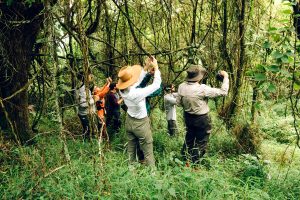
Established in 1998, the Ngamba Island Chimpanzee Sanctuary offers a safe haven for these incredible primates while also providing visitors with an opportunity to learn about conservation efforts and the challenges facing chimpanzees in the wild. The sanctuary spans 100 acres of lush forest and open grassland, providing a natural environment where chimpanzees can thrive. Currently, it is home to over 50 chimpanzees, each with their unique story and personality. The sanctuary aims not only to provide care for these animals but also to raise awareness about their plight and promote conservation efforts. You can participate in feeding the chimps and also the chimp enrichment program where you challenge their critical thinking. You can take half day, full day or overnight stays at the sanctuary for an ultimate chimpanzee experience.
ACTIVITIES AT NGAMBA
- Chimpanzee Feeding Sessions
One of the highlights of any visit to Ngamba Island is the chimpanzee feeding sessions. Twice a day, visitors gather to watch the caretakers feed the chimpanzees a variety of fruits and vegetables, which are carefully selected to provide a balanced diet. This feeding time is not only entertaining but also serves an educational purpose. Visitors learn about the individual chimpanzees, their backgrounds, and the behaviors they exhibit during feeding. Chimpanzees are highly social animals, and their interactions during feeding reveal much about their complex social structures. Observing them play, groom, and communicate provides a window into their rich emotional lives, showcasing the importance of social bonds among these intelligent beings.
- Educational Programs
In addition to feeding sessions, the sanctuary offers educational programs aimed at raising awareness about chimpanzee conservation. These programs cover various topics, including the threats facing chimpanzees in the wild, the importance of habitat preservation, and the role of sanctuaries in wildlife rehabilitation. Visitors often have the opportunity to engage in discussions with the sanctuary staff, who share their experiences working with the chimpanzees and the challenges they face in protecting them. This firsthand knowledge enriches the visitor experience and emphasizes the critical need for conservation efforts.
- Conservation Efforts
The Ngamba Island Chimpanzee Sanctuary plays a vital role in chimpanzee conservation in Uganda and beyond. The sanctuary not only provides a safe environment for rescued chimpanzees but also engages in various conservation initiatives aimed at protecting their habitats and raising awareness about the threats they face. You can leave Ngamba with a chimp friend.
- Community Engagement
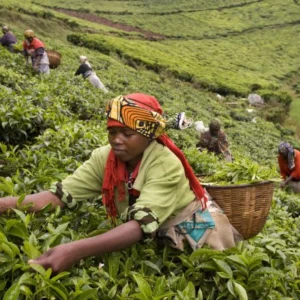
Community involvement is a crucial aspect of the sanctuary’s mission. Ngamba Island collaborates with local communities to promote sustainable practices and reduce human-wildlife conflict. By educating locals about the importance of protecting chimpanzees and their habitats, the sanctuary aims to foster a sense of stewardship among residents. Additionally, the sanctuary employs local people, providing them with job opportunities and a vested interest in the protection of their natural resources. This collaborative approach ensures that conservation efforts are not just top-down but involve the communities that live alongside these animals. This enables you to engage with the local people and learn about their daily lives.
- Research and Rehabilitation
The sanctuary also engages in research initiatives aimed at understanding chimpanzee behavior, health, and rehabilitation. By studying the chimpanzees in a semi-wild environment, researchers can gain insights into their needs and develop best practices for their care. The ultimate goal for many of the chimpanzees at Ngamba Island is to prepare them for potential reintroduction into the wild. While this is a complex and challenging process, the sanctuary is dedicated to ensuring that these animals have the best chance of thriving if they can return to their natural habitats.
HOW TO GET THERE
Visiting Ngamba Island is a rewarding experience that contributes to the sanctuary’s ongoing efforts. The sanctuary is accessible by boat from Entebbe on a 45-minute speed boat or 90-minutes by motorized canoe ride from Nakiwogo Dock, and the chimpanzee sanctuary organizes the transfers. A cheaper alternative would be to take the ferry from Entebbe to Buggala, the main island in the Ssese Islands, and then a lake taxi to Ngamba. If you are already staying in the Ssese Islands, lake taxis connect the islands and transport to Ngamba Island can be arranged by your accommodation.
WHERE TO STAY
Accommodations on the island are basic but comfortable, allowing visitors to enjoy the beauty of the natural surroundings. Overnight guests can partake in evening activities, such as guided walks through the forest, where they may encounter other wildlife, including birds and small mammals. The only available facility is the Ngamba Eco Lodge that is situated on the shores of Lake Victoria with 4 permanent and fully furnished rooms and 15 camping tents with luxury amenities.