The Meaning and Origin of Umuganda
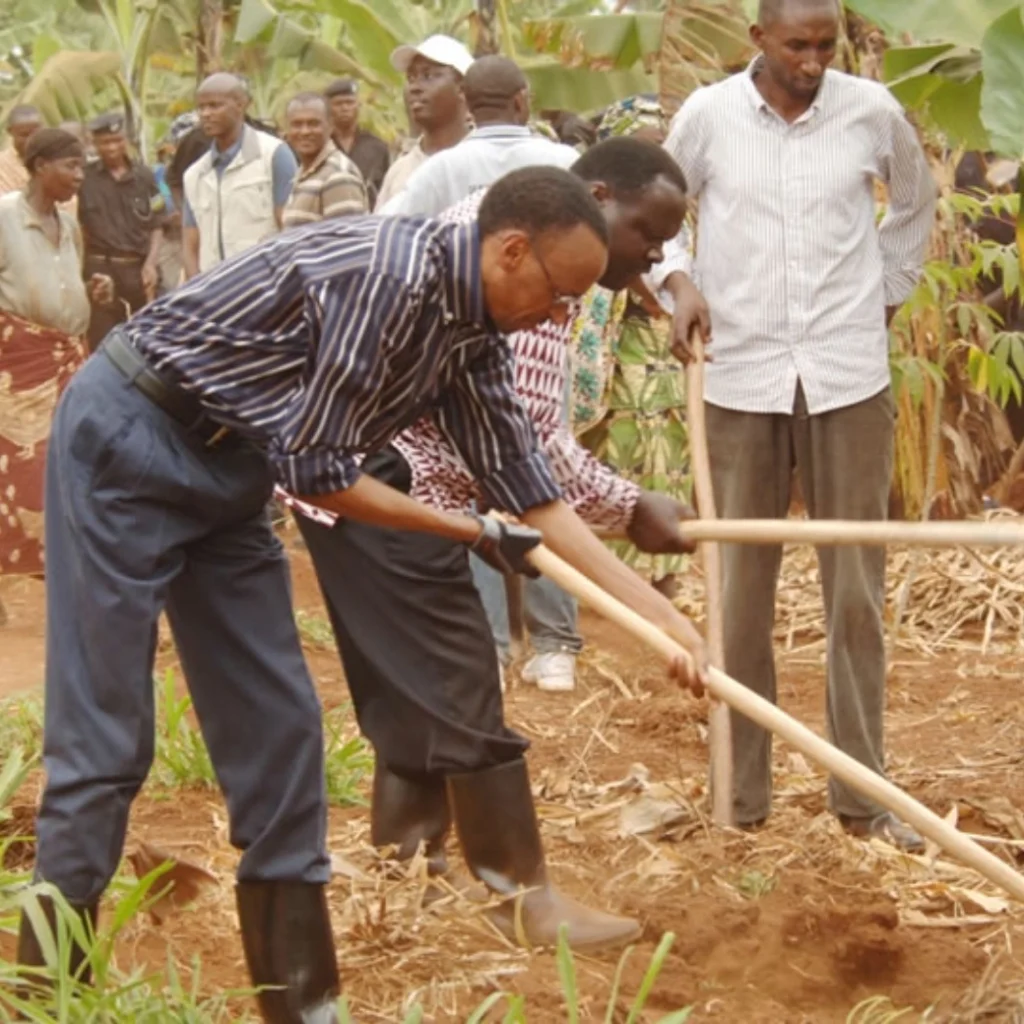
The word Umuganda comes from a traditional Rwandan practice where community members came together to help one another with labor intensive tasks such as building homes or preparing farmland. After the 1994 Genocide against the Tutsi, Umuganda was revived and formalized as a national program. As a result, it now supports reconciliation, rebuilding, and development.
Today, this community service stands as a symbol of national unity and shared responsibility. It reminds citizens that progress is achieved through working together.
Activities During Umuganda
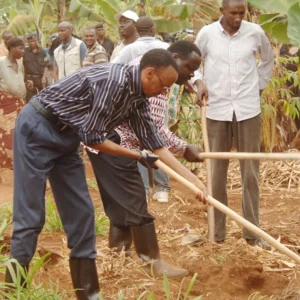
During the activity, communities engage in a wide range of projects depending on local needs. These activities often include cleaning streets, planting trees, repairing roads, building schools, constructing homes for vulnerable families, and maintaining public spaces.
Local leaders coordinate the activities, ensuring that every community member contributes meaningfully. After the work session, residents often gather for discussions about community issues, development plans, and social wellbeing.
Umuganda and Rwanda’s Clean Environment
The activity plays a major role in making Rwanda one of the cleanest countries in Africa. Regular cleaning of public spaces, strict environmental awareness, and active community participation have transformed cities and rural areas alike. Furthermore, the capital city Kigali is frequently praised for its cleanliness. This is a direct result of consistent community engagement through Umuganda and strong environmental policies.
Why Umuganda Matters
The activity is more than just community work. It strengthens social bonds, promotes accountability, and empowers citizens to take ownership of their surroundings. The initiative also reduces government costs by mobilizing community labor while encouraging sustainable development.
Through Umuganda, Rwanda demonstrates how collective effort and civic pride can drive national progress. As a result, the country creates a healthier, more connected society.