Kanangorok Hot Springs is one of the most remarkable and unique features of Kidepo Valley National Park in northeastern Uganda. This geothermal site offers visitors a rare opportunity to experience nature’s raw beauty in an isolated and pristine environment. For travelers looking to explore a part of Uganda that is often overlooked, the Kanangorok Hot Springs are an unforgettable stop. Here’s a closer look at this natural wonder.
Location and Accessibility
Kanangorok Hot Springs is situated in the northern part of Kidepo Valley, near the border with South Sudan. This area is known for its rugged and remote landscape, making it one of the most secluded spots within the park. The springs are located near Kanangorok River, which is the main water source for the wildlife in the region.
While the hot springs are somewhat off the beaten path, they are accessible through a guided trek or game drive from the Apoka area, where the park’s main accommodations are located. The journey to the springs involves traversing some of Kidepo’s scenic savannah and hilly terrain, giving you the chance to enjoy stunning vistas and observe wildlife along the way. The relatively remote location means that visitors to Kanangorok can expect a quiet and peaceful experience, far from the crowds.
The Springs: Nature’s Thermal Marvel
The Kanangorok Hot Springs are particularly notable for their natural thermal properties. The water emerges from deep within the earth, bubbling up in a series of pools that vary in temperature, from warm to very hot. The spring waters are rich in minerals, and the geothermal energy causes the water to bubble vigorously as it rises to the surface.
While the water temperature can be dangerously high in places, the springs’ beauty is undeniable. Visitors can enjoy the visual spectacle of steam rising from the hot springs, particularly during the cool morning hours when the contrast between the hot water and the cooler air is most striking.
Unique Features of Kanangorok Hot Springs
- Bubbling Water: The hot springs are constantly bubbling, a phenomenon that creates a captivating visual effect. The water’s movement makes it seem as though the ground itself is alive, and the air around the springs often carries a light mist.
- Stunning Location: Set against the backdrop of Kidepo’s vast savannah and rugged hills, Kanangorok Hot Springs offers a dramatic contrast to the arid landscape. The hot springs are surrounded by an inhospitable environment, with the barren earth giving way to the steamy water, adding to the mystical allure of the location.
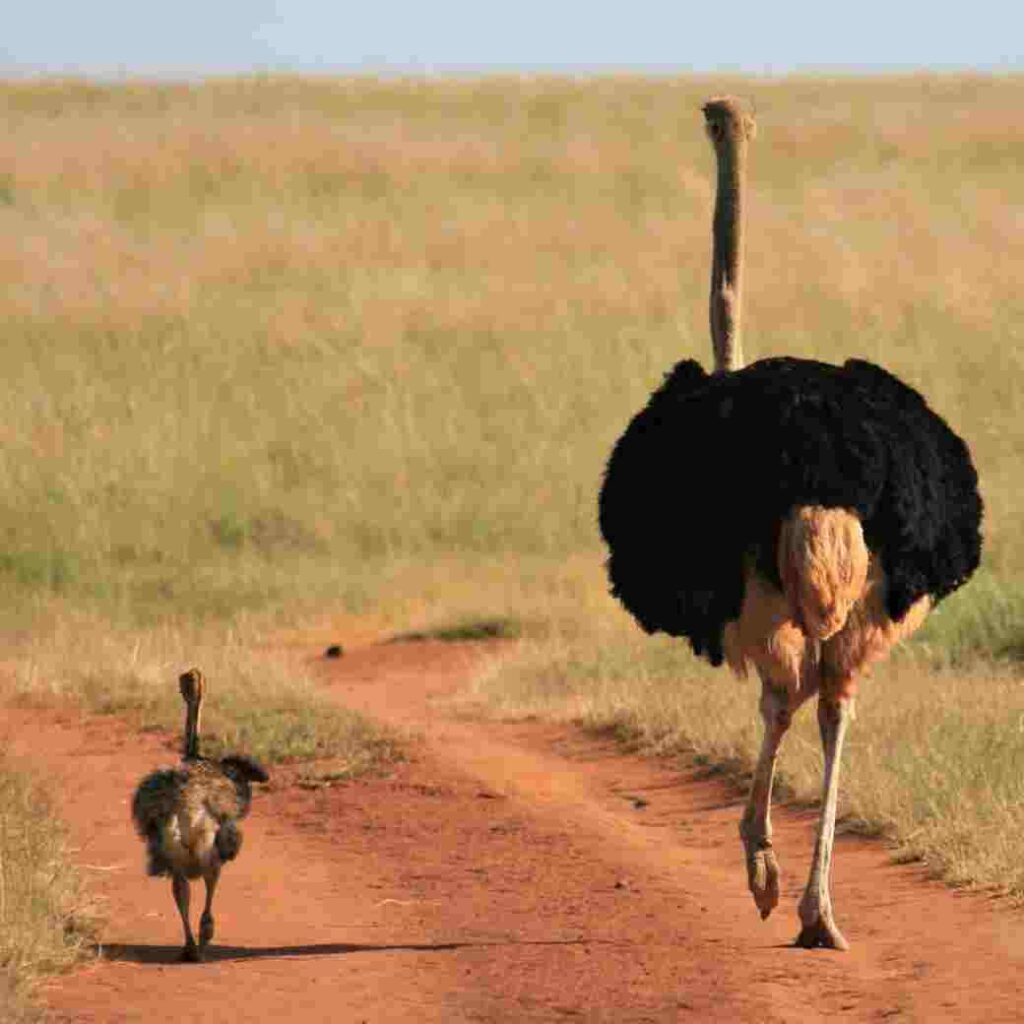
- Wildlife Spotting: The springs are located near key wildlife areas, which means visitors can often see herds of animals, including buffaloes, zebras, and giraffes, grazing in the surrounding areas. Some visitors have even reported spotting elephants in the vicinity, drinking from the Kanangorok River.
- Thermal Pools: While the water is generally too hot for safe immersion, the thermal pools in the area are visually fascinating, with some sections of the pools cool enough for visitors to dip their feet in. However, caution is advised, as some pools are too hot to touch.
- Remote Serenity: The location of the springs is so isolated that you can often enjoy the area in solitude, surrounded by nature. This makes the Kanangorok Hot Springs a perfect spot for those seeking peace and quiet in a truly wild setting.
Visiting the Kanangorok Hot Springs
Best Time to Visit:
The dry season, from June to September and December to February, is the best time to visit the Kanangorok Hot Springs. During these months, the roads leading to the hot springs are easier to navigate, and wildlife is more concentrated around water sources, which provides an added advantage for those on a game drive.
What to Expect:
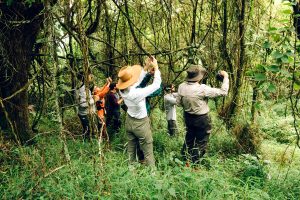
- Scenic Trekking: Reaching Kanangorok involves a moderate hike through Kidepo’s diverse landscapes. The trek can be quite rewarding, with opportunities to spot wildlife, including baboons, jackals, and a variety of bird species.
- Therapeutic Qualities: While it’s not safe to swim in the hot springs, the mineral-rich waters are believed by locals to have healing properties, offering benefits such as skin rejuvenation and relief from joint pains. However, it’s more about soaking in the atmosphere rather than enjoying a traditional spa experience.
- Photography: For photographers, the Kanangorok Hot Springs present an exceptional opportunity. The rising steam, the contrast between the hot water and the surrounding arid landscape, and the wildlife in the vicinity provide plenty of photo opportunities.
Practical Considerations
- Guided Tours: To ensure safety and get the most out of your visit, it’s recommended to travel to Kanangorok Hot Springs with a knowledgeable guide. The path to the springs can be difficult to navigate on your own, and a guide will also help you spot wildlife along the way.
- Safety: The water temperature in some parts of the hot springs can be dangerously hot, so visitors should not attempt to bathe in the springs. Always follow your guide’s instructions and maintain a safe distance from the bubbling pools.
- Access and Accommodation: The closest accommodation to Kanangorok Hot Springs is located in the Apoka area of Kidepo Valley National Park. Apoka Safari Lodge and Kidepo Savannah Lodge offer comfortable lodging options, ranging from budget-friendly to more luxurious experiences. Visitors can also opt for tented camps to experience the wilderness more intimately.