Historical Background of Ajai Wildlife Reserve
Ajai Wildlife Reserve gained early historical significance during the African expedition of former U.S. President Theodore Roosevelt in 1910. During his visit, Roosevelt toured the palace of King Ajai and participated in big-game hunting, including the hunting of white rhinos. This period contributed to a rapid decline in the local rhino population.
In response to increasing wildlife loss, King Ajai began regulating hunting practices as early as 1915. These early controls eventually led to the establishment of a 4 km² hunting-controlled area in 1937, marking one of the region’s first steps toward conservation.
Much later, in 2002, the Uganda Wildlife Authority initiated plans to expand the reserve. The goal was to create suitable habitat for the reintroduction of southern white rhinos from Ziwa Rhino Sanctuary, while also strengthening tourism and supporting local livelihoods.
By 2008, management of Ajai Wildlife Reserve was privatized and entrusted to Uganda Wildlife Safaris Ltd., a concessionaire experienced in both photographic tourism and regulated sport hunting.
Physical Features and Vegetation
Ajai Wildlife Reserve is shaped by water. Its landscape is dominated by the River Nile and extensive riverine swamps fed by two main tributaries, the Ala and Acha Rivers.
One of the reserve’s most distinctive features is Ajai Island, a swamp island formed over time by soil deposits carried down from the Ala River hills. Surrounding this are approximately 35 square kilometers of papyrus swamp, bordered by savanna woodland and wide grassy floodplains.
Seasonal changes strongly influence the reserve. From June to January, much of the swamp remains flooded. Between February and May, water levels drop, exposing grasslands that attract grazing animals.
Wildlife of Ajai Wildlife Reserve
As the dry season sets in, wildlife gradually concentrates around Ajai Island, where forage remains available while surrounding savannah areas dry out.
Mammals commonly found in the reserve include:
- Hippopotamuses along the River Nile
- Uganda kob
- Jackson’s hartebeest
- Bushbuck
- Waterbuck
- Warthog
- Leopard
- Sitatunga
Primates such as black-and-white colobus monkeys and baboons are frequently seen, particularly along forest edges. Reptiles, including monitor lizards and occasional green snakes, are also present.
However, due to the reserve’s relatively small size, many animals move beyond its boundaries. As a result, wildlife can be vulnerable to poaching in surrounding unprotected areas.
Birdlife of Ajai Wildlife Reserve
Birding is one of Ajai’s strongest attractions. A survey conducted in 1993 recorded 115 bird species, and ongoing observations suggest rich diversity, particularly in wetland and woodland habitats.
Notable bird species include:
- African Grey Hornbill
- African Openbill
- Black-headed Gonolek
- Bronze Mannikin
- Green-backed Camaroptera
- White-browed Coucal
- Malachite Kingfisher
- Broad-billed Roller
- Sulphur-breasted Bushshrike
- White-crested Turaco
Birds of prey such as the African Cuckoo Hawk and Dark Chanting Goshawk are also present. Other species to watch for include the Yellow-fronted Tinkerbird, Whistling Cisticola, Chestnut-crowned Sparrow-Weaver, Northern Black Flycatcher, and Black Saw-wing.
Wetlands, papyrus swamps, and open woodland make Ajai particularly rewarding for birders.
Activities at Ajai Wildlife Reserve
Sport Hunting
Uganda is known for offering specialized and regulated sport hunting experiences. Ajai Wildlife Reserve attracts hunters seeking species such as Uganda kob, Jackson’s hartebeest, East African sitatunga, and Nile buffalo. All hunting activities within the reserve are organized and regulated by Uganda Wildlife Safaris Ltd.
Other Activities
In addition to hunting, visitors can enjoy:
- Boat trips along the Nile
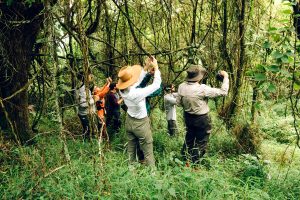
- Guided nature walks
- Birdwatching excursions
- Wildlife photography
- Fishing
- General wildlife viewing
These activities emphasize low-impact exploration and close connection with the landscape.
How to Get to Ajai Wildlife Reserve
Ajai Wildlife Reserve is located approximately six and a half hours by road from Kampala.
If traveling from Arua, follow the paved Pakwach Road south for about 15 kilometers to Olevu. From there, turn left onto a 40-kilometer dirt road heading east, which leads directly to the reserve.
By Air
Visitors may also fly from Kampala to Arua Airstrip, then continue by road to the reserve.
Accommodation Near Ajai Wildlife Reserve
Accommodation within Ajai Wildlife Reserve is limited to basic tented facilities.
Visitors seeking more comfort are advised to stay in Arua or Gulu, or alternatively in Murchison Falls National Park, which lies about 60 kilometers away and roughly 1.5 hours’ drive from the reserve via the Gulu–Arua Road.
Recommended Hotels in Arua
- Le Tsuba Grand Hotel – A quiet, upscale hotel in central Arua offering air-conditioned rooms, Wi-Fi, a coffee bar, VIP lounge, and restaurant.
- White Castle Hotel Arua – A well-known three-star hotel with landscaped gardens, free Wi-Fi, breakfast, parking, and comfortable rooms.
- Dreamland Hotel Arua – Offers spacious rooms, a restaurant, a distinctive guitar-shaped swimming pool, and a health club.
Best Time to Visit Ajai Wildlife Reserve
Ajai Wildlife Reserve is open to visitors throughout the year.
However, seasonal flooding during the rainy months transforms the landscape. As water levels rise, wildlife gathers along flooded grasslands and water channels, creating excellent viewing opportunities. At the same time, access may be more challenging in some areas.
Travelers should plan accordingly, especially during peak rains.
Conclusion
Ajai Wildlife Reserve offers a quieter, more reflective wildlife experience rooted in history, wetlands, and seasonal rhythms. It does not compete with Uganda’s large national parks. Instead, it complements them by offering space, simplicity, and a sense of place.
For travelers interested in birdlife, river landscapes, and lesser-known conservation areas, Ajai provides a meaningful and rewarding visit.