Scenic Boat Rides on Lake Kivu
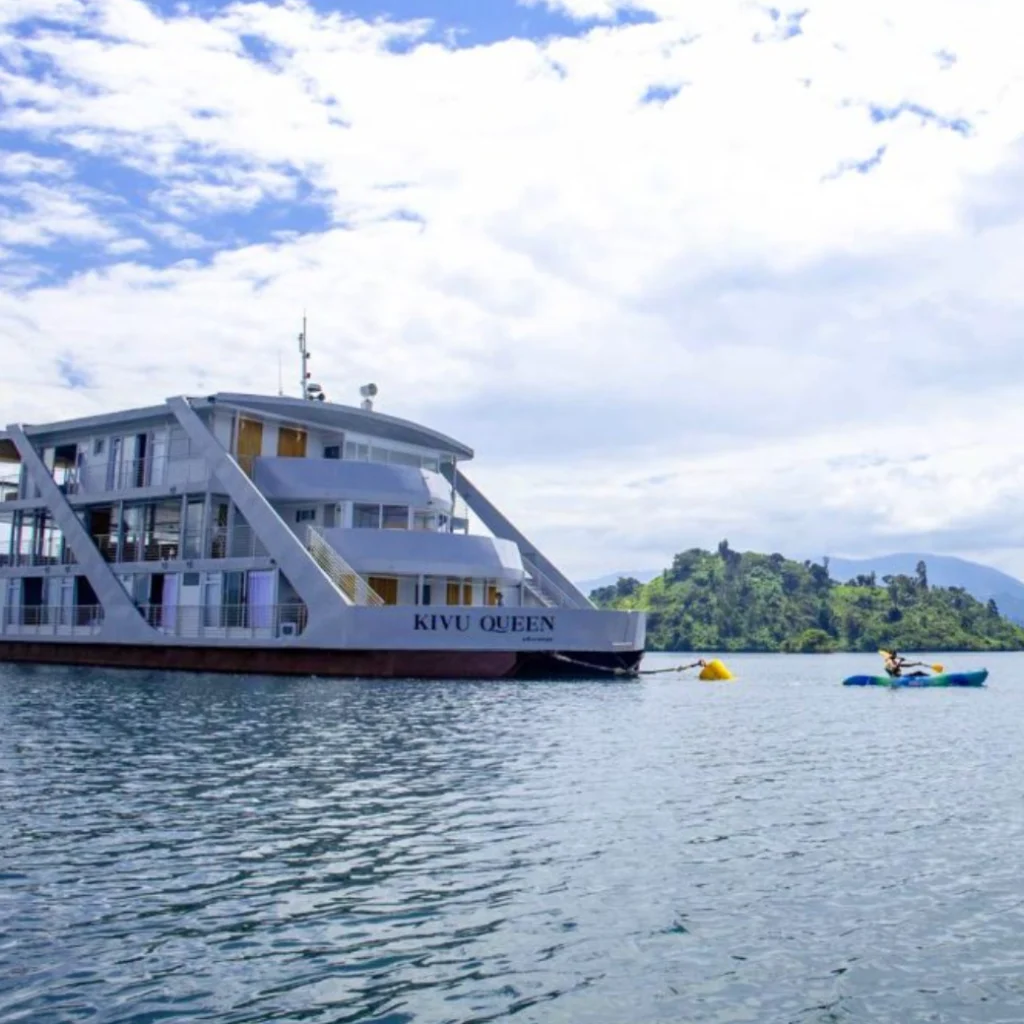
A boat ride on Lake Kivu is one of the most rewarding ways to experience the region. As the boat moves across calm water, the surrounding green hills reflect softly on the surface, creating a sense of space and stillness.
Along the way, travelers pass fishing villages, small islands, and forested shorelines. Birdlife is constant, and the open water allows uninterrupted views that feel both expansive and intimate at the same time.
Rather than rushing toward a destination, the journey itself becomes the highlight.
Best Times for a Boat Ride
Timing plays an important role in shaping the experience.
Morning boat rides are ideal for quiet reflection. The lake is often at its calmest, and fishermen can be seen beginning their day, pulling nets from the water as mist lifts from the surface.
Afternoon and evening cruises, on the other hand, offer a warmer atmosphere. As the day fades, the light softens and the hills glow with color. Sunset boat rides are especially memorable, with golden reflections stretching across the lake.
At any time of day, the pace remains gentle.
Islands of Lake Kivu
Lake Kivu is dotted with scenic islands, each adding a different layer to the experience.
Napoleon Island is best known for its colony of fruit bats. As dusk approaches, thousands of bats take flight, creating a striking silhouette against the evening sky.
Amahoro Island, often called Peace Island, offers a calm setting ideal for picnics, swimming, and short stops. Its quiet beaches and clear water make it a favorite for relaxed excursions.
Idjwi Island, located on the Congolese side of the lake, is one of the largest inland islands in the world. It is known for its traditional villages, farming communities, and slower rhythm of life.
Each island reveals a different side of Lake Kivu.
When to Visit and What to Pack
Lake Kivu enjoys a pleasant climate throughout the year. However, the most comfortable periods to visit are during Rwanda’s dry seasons:
- June to September
- December to February
These months offer clearer skies and smoother lake conditions.
What to pack:
- Sunscreen and a hat
- Binoculars for birdwatching
- Swimwear (swimming is safe, with no hippos or crocodiles)
- Comfortable walking shoes
- A light jacket for evenings
While the risk of bilharzia is considered low, it is still advisable to check with local guides or health professionals before swimming.
Birdwatching Around Lake Kivu
Lake Kivu is a rewarding destination for bird enthusiasts. The surrounding wetlands, forests, and shoreline habitats support over 400 bird species, making the area rich in avian diversity.
With binoculars and a knowledgeable guide, visitors may spot:
- African fish eagles
- Kingfishers
- Cattle egrets
- Pied crows
- Herons and other water-associated birds
Birdwatching can be enjoyed both from the boat and along the shore, especially during early morning hours.
Cultural Experiences and Community Visits
Beyond nature, Lake Kivu Rwanda offers meaningful cultural encounters.
Travelers can meet local fishermen and learn about traditional fishing techniques that have been practiced for generations. Nearby markets provide opportunities to sample Rwandan dishes and purchase handmade crafts.
Coffee lovers can also visit coffee farms along the lakeshore. Guided tours explain the entire process, from growing and harvesting beans to roasting and tasting. These visits add depth to the experience and connect visitors directly with local livelihoods.
Lakeside Towns Worth Exploring
Several towns line the shores of Lake Kivu Rwanda, each with its own atmosphere.
Gisenyi is lively and well developed, offering beaches, cafés, and easy access to boat excursions.
Kibuye is quieter, known for its scenic hills and peaceful surroundings.
Cyangugu (Rusizi) sits at the southern end of the lake, close to the Congo-Nile Trail and Nyungwe Forest.
These towns provide convenient bases for exploring the lake and surrounding regions.
Easy Access to Rwanda’s National Parks
Lake Kivu’s location makes it an excellent addition to a broader Rwanda itinerary.
- Nyungwe Forest National Park is about three hours away by road.
- Volcanoes National Park can be reached in approximately two hours.
Combining lake activities with rainforest or mountain experiences creates a balanced journey through Rwanda’s diverse landscapes.
Adventure Along the Congo-Nile Trail
Running parallel to the lake, the Congo-Nile Trail stretches for about 277 kilometers along the shoreline. It offers opportunities for hiking, cycling, and kayaking, allowing travelers to explore villages, hills, and beaches at a slower pace.
Even short sections of the trail provide insight into daily life around Lake Kivu Rwanda.
Night Fishing on Lake Kivu
For a unique evening experience, visitors can arrange to join local fishermen at night. As darkness falls, lantern-lit boats scatter across the water, creating a striking pattern of light.
Some tours allow visitors to participate, offering a rare glimpse into traditional fishing practices and nighttime life on the lake.
The Magic of Lake Kivu Sunsets
As day turns to evening, Lake Kivu Rwanda reveals one of its most memorable features. Sunsets here are slow and dramatic, with colors shifting from gold to orange, pink, and deep purple.
Whether viewed from a boat or a quiet lakeside beach, the moment invites stillness. Many travelers find this to be the most lasting memory of their time by the lake.
Conclusion
Lake Kivu Rwanda is more than a scenic body of water. It is a place where nature, culture, and daily life meet without urgency. From boat trips and islands to birdlife, coffee farms, and sunsets, the lake offers space to pause and observe.
For travelers seeking balance between exploration and rest, Lake Kivu provides an experience that stays with you long after the journey continues.