Weather and Climate
Katonga Wildlife Reserve experiences a tropical climate with distinct dry and wet seasons. The dry seasons occur from June to August and from December to February. Of these, June through August are the driest months, while December to February remains relatively dry but may receive occasional showers.
The wet seasons span March to May and September to November, with the heaviest rainfall typically occurring between March and May.
Vegetation of Katonga Wildlife Reserve
The terrain of Katonga Wildlife Reserve is largely undulating, featuring a mix of savannah and savannah woodland. Significant portions of the reserve are comprised of permanent and seasonal wetlands, while pockets of riverine and tropical forests are scattered throughout.
Its unique geographical location where forests, swamps, and savannah converge creates a diverse ecosystem that supports a wide range of wildlife species. The Katonga wetland is also connected to the Nile system, making it a vital wetland for ecological balance and human survival.
Key habitats within the reserve include rainforest, papyrus swamps, woodland, and open savannah.
History of Katonga Wildlife Reserve
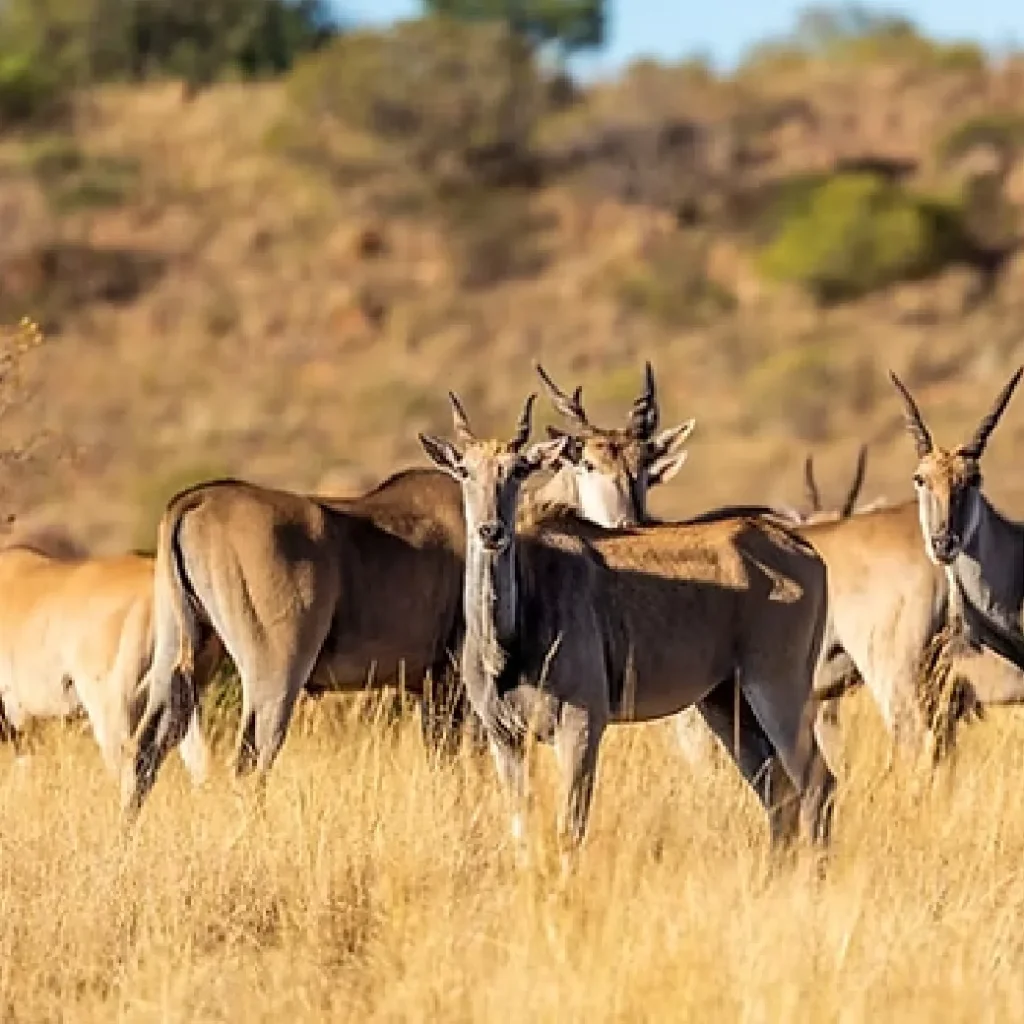
Katonga Wildlife Reserve is among the most encroached and least visited protected areas in Uganda. In the 1960s, it supported a rich variety of wildlife, including zebra, topi, and eland species that later disappeared due to extensive poaching and habitat loss. Between 1971 and 1985, both commercial and subsistence poaching drastically reduced animal populations, while widespread encroachment for farming and cattle grazing further degraded the reserve.
In 2014, encroachers were evicted, marking a turning point in conservation efforts. A year later, in 2015, the reserve saw a successful reintroduction of wildlife with the translocation of 60 impalas and 5 zebras to help restore ecological balance and promote tourism. Today, the impala population has grown to around 300 individuals. The reserve also boasts an impressive bird checklist of over 300 species, representing wetland, savannah, and forest habitats. Some of the birds spotted here include the Speckled Mouse bird, Hairy-breasted Barbet, Bank Swallow, Violet Backed Starling, Helmeted Guineafowl, Yellow-billed Duck, Water Thick-knee, African Sacred Ibis, Western Cattle-Egret, Rupel’s Starling, Bronze Mannikin, Striped Kingfisher, Green Woodhoopoe, African Sacred Ibis, Gray Crowned Crane, Rufous-bellied Heron, Broad-Billed Roller and the Common Reed Warbler among others
Fauna in Katonga Wildlife reserve
Katonga Wildlife Reserve is home to over 40 species of mammals and more than 300 bird species. The reserve supports a healthy population of sitatunga and defassa waterbuck, along with steadily increasing numbers of hippos, impalas, primates, and birds. Visitors may also encounter buffalo, reedbuck, black-and-white colobus monkeys, vervet monkeys, river otters, olive baboons, Uganda kob, leopards, common duikers, chevrotains, bushbuck, giant forest hogs, and bushpigs.
Katonga is one of the few places in East Africa where the elusive sitatunga antelope can still be seen, although sightings have become rare due to the absence of boat safaris. The reserve remains a habitat for elephant and buffalo, though these animals are now more often detected by signs like footprints and droppings rather than direct sightings.
In addition to its mammals, Katonga also supports a wide variety of reptiles, amphibians, and butterflies.
How to get to Katonga Wildlife Reserve in Uganda
Katonga Wildlife Reserve is accessible by road in approximately 5 to 6 hours from Kampala. The journey follows the Kampala–Fort Portal highway to Kyegegwa Town Council, located about 195 km west of the capital. From Kyegegwa, a 42 km detour south leads directly to the reserve’s entrance gate.
Alternatively, visitors can reach the reserve from Kibale National Park by traveling through Kamwenge, Ibanda, and Kabagole.
What to see and do at Katonga Wildlife Reserve
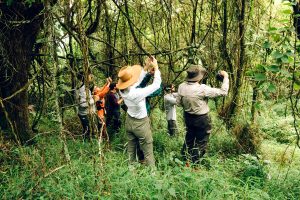
While Katonga Wildlife Reserve is accessible by road, it lacks drivable tracks within its boundaries. As such, the best way to explore the reserve is on foot through guided nature walks, ideally taken in the early morning for the best chance of spotting wildlife and a wide range of bird species. Boat excursions into the swamp are no longer available due to the presence of hippos, which pose a safety risk.
Three guided half-day walking trails are available and can be arranged on-site at a fee of $30 per person. The Sitatunga Trail winds through grassland and wetland habitats, offering a good opportunity to spot the elusive sitatunga antelope. The Kisharara Trail provides a more comprehensive experience, taking visitors through all the main ecosystems found in the reserve, including grasslands, woodlands, wetlands, and patches of riverine forest.
Although Katonga can easily be added to a typical Uganda travel itinerary, it remains one of the lesser-visited reserves due to limited amenities and relatively low densities of large wildlife.
Where to Stay in and around Katonga Wildlife Reserve
The Uganda Wildlife Authority operates a campsite within the reserve, offering basic accommodation facilities, guided tours, and an on-site restaurant for visitors.