Formation Of Kyambura Gorge
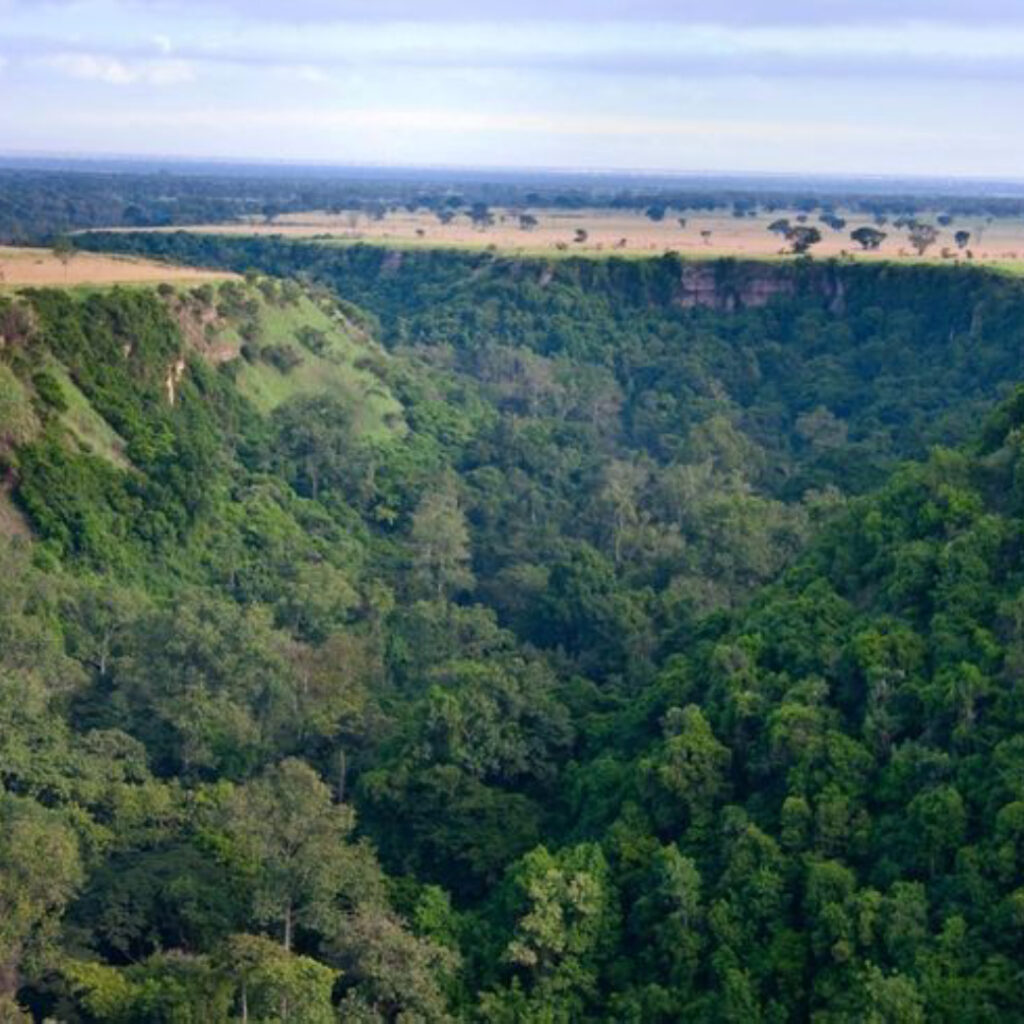
Formed by the erosive forces of the Kyambura River, the gorge cuts through the lush savanna and is surrounded by steep cliffs that rise dramatically, creating a sense of seclusion and serenity. Kyambura has something for everyone.
The adventurous can make their way through the unruly undergrowth to see the park’s only chimpanzees, while the curious can find several fascinating birds and plants with a guided nature walk. For those, looking to unwind and enjoy the view, you can take a picnic at the gorge’s entrance or admire the exquisite scenery from the viewing platform high above.
What Makes Kyambura Gorge Unique!
Kyambura Gorge, within the reserve, is reminiscent of a lost world, somewhere intriguing and mysterious. Towering 100 m high rock walls surround thick jungle, boggy swamps and large crater lakes, making it feel as though you have entered a pre-historic time.
While the reserve covers 156-sq-km, the gorge itself spans just 11 km but is 100 meters deep. The Kyambura River which runs through the reserve connects to the Kazinga Channel. This unique landscape is an excellent refuge from the savannah’s predators above and is the reason that the chimpanzees have made their home here.
Activities To Do In Kyambura
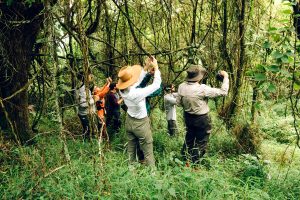
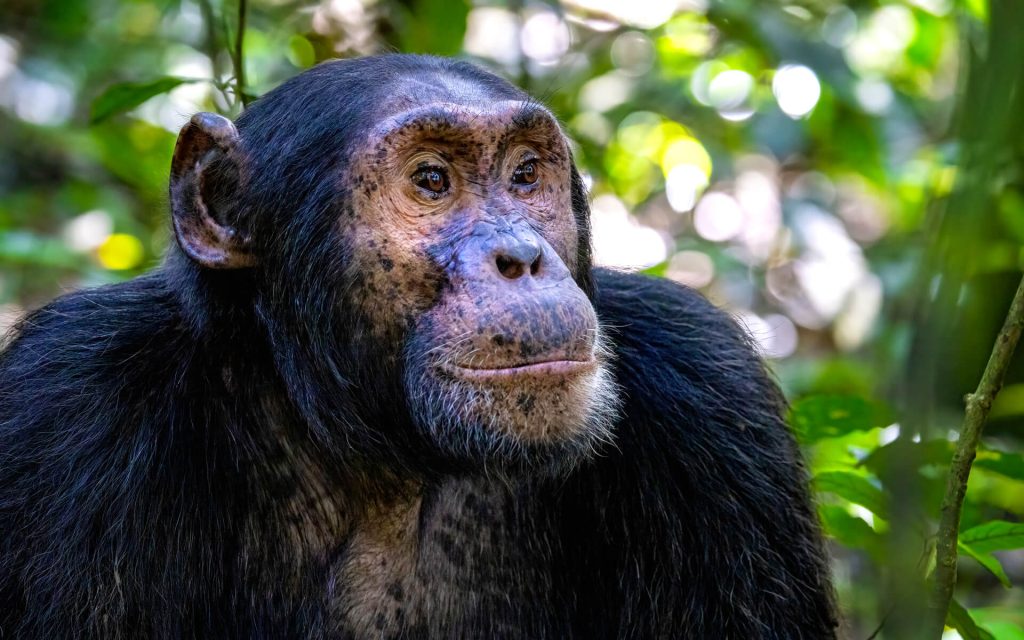
- Chimpanzee Trekking: The gorge is one of the best places to encounter and interact with human-like apes, the chimpanzees. The chimpanzees of the lost gorge are the only family of chimpanzees here because the gorge was cut off from the corridor that joins the Budongo and Kibale forests due to the erosion activities, the chimpanzees were trapped in this area and couldn’t find their way back to their friends in the other forests. A 2 to 3 hour walk in the thick vegetation is enough to spot these friendly apes and spend some quality time with them.
- Nature Walks and Bird Watching: The Kyambura has incredible biodiversity owing to its 13 different habitats from hot savannah plains to wetlands, bogs and the cool rainforest undergrowth. There are several rare plants to be found, many of which you’re unlikely to see anywhere else. Kyambura river which runs through the reserve is an important water source for the wildlife that live in Queen Elizabeth.
There Is More To Chimps;
Besides the chimpanzees and other primate species, you’re likely to see hippo, antelope, hyena, and the occasional visiting elephant. You may also catch a glimpse of the 12 other primate species living in Kyambura, including the colobus, red tail, and vervet monkeys. Kyambura is a birdwatcher’s haven, so make sure you keep your binoculars close as you may see the rare martial eagle, amongst many other bird species.
Best Time To Visit Kyambura Gorge
Kyambura Gorge can be visited year-round, but the best time for trekking and wildlife viewing is during the dry seasons. The dry seasons typically run from June to September and December to February. During these months, the trails are less muddy, and wildlife activity is heightened, increasing the chances of spotting chimpanzees and other animals. Even during the dry season, weather conditions can change rapidly in the region. It’s advisable to come prepared for rain and varying temperatures. Lightweight, breathable clothing, sturdy hiking boots, and a good rain jacket are essential items for your packing list.
Where To Stay In Kyambura
There are several accommodation facilities within Queen Elizabeth national park and near the gorge that offer great viewing points. These facilities range from budget friendly and midrange to luxury according to the taste of the client. Some of these facilities include; Mazike valley lodge, Kyambura gorge lodge and Park view lodge.
How to Get To Kyambura
Kyambura Game Reserve located in the northeastern corner of Queen Elizabeth National Park, approximately 30 km from park headquarters and can be accessed by road and air. From Kampala to Kyambura Game reserve, there are two main routes to choose from. The drive takes 6-7 (420 km) hours via Masaka, Mbarara, and a slightly shorter 6 hours (410 km) via, Fort Portal. If you chose to fly, there are daily flights from Kajjansi Airfield near Kampala and Entebbe International Airport to the Mweya and Kasese airstrips in Queen Elizabeth National Park. The Flight is approximately an hour and fifteen minutes.