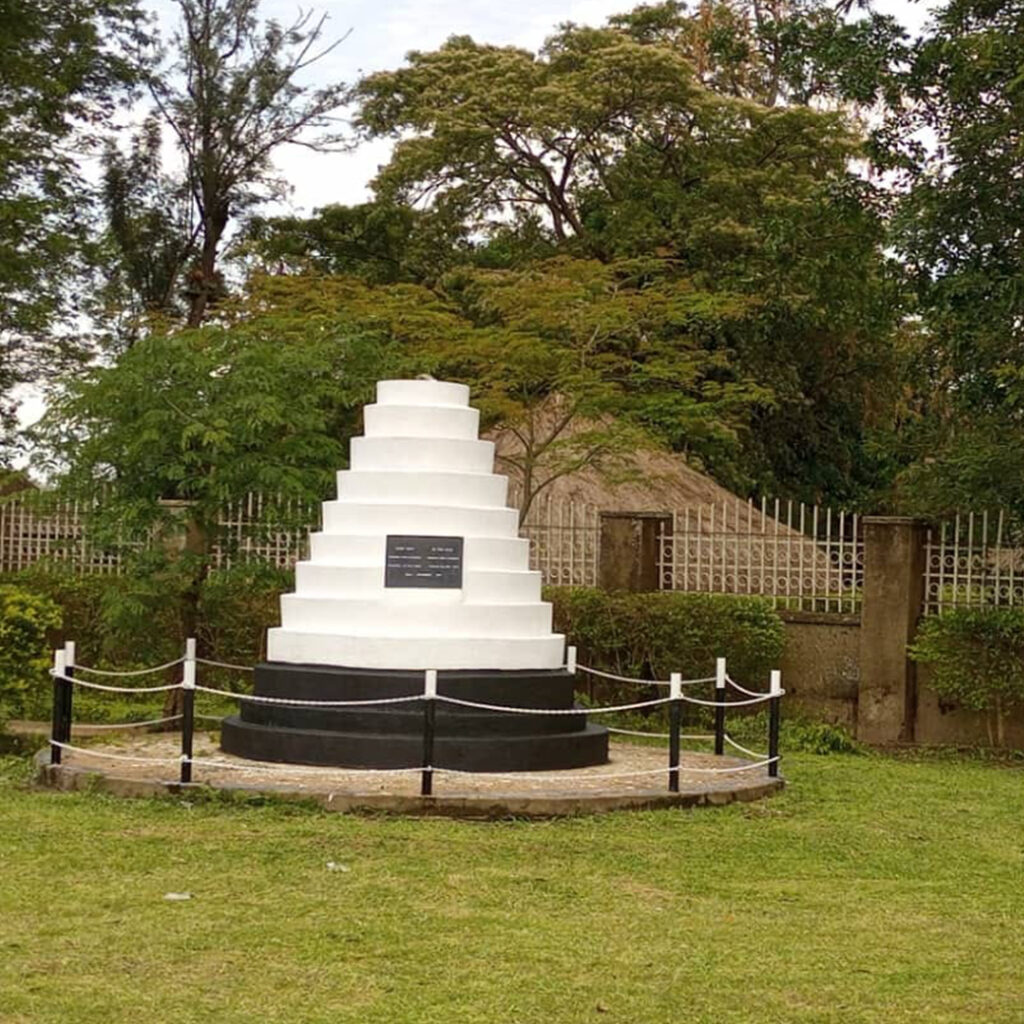
The kingdom’s most famous ruler, Omukama Kabalega, is remembered for his fierce resistance against British colonial forces during the late 19th century. He led a strong rebellion known as the Nyangire Rebellion, which pushed back against British influence in Uganda. Kabalega’s efforts to retain his kingdom’s sovereignty were legendary, though he was eventually exiled. His tomb at Mparo is a revered site where people honor his legacy and the resilience of the Bunyoro Kingdom.
The Mparo Tombs are situated just a few kilometers from Hoima town, making them easily accessible for visitors. The site is more than just a burial place; it’s a sacred ground that represents the kingdom’s cultural heritage and serves as a testament to the resilience of the Bunyoro people. The tombs are primarily known for housing the remains of Omukama Kabalega, who passed away in 1923. After years of exile, Kabalega was allowed to return to Bunyoro, and upon his death, he was laid to rest at Mparo. The site also contains the graves of other members of the royal family and remains a place of great cultural significance. The tombs themselves are understated yet dignified, with traditional architectural elements that reflect the customs of the Bunyoro people. Visitors often leave feeling a deeper understanding of Uganda’s pre-colonial history and the strength of its traditional societies. A visit to Mparo Tombs is both a cultural and reflective experience. The site is quiet, respectful, and well-preserved, creating an environment that encourages visitors to reflect on Uganda’s rich history. As you approach the tombs, you’ll see the traditional thatched huts, which serve as memorials for the royal figures buried there. A guided tour of the tombs provides a valuable context, as local guides share stories about the significance of Kabalega’s reign, the history of the Bunyoro Kingdom, and the customs surrounding the royal burial site. Guides also explain the traditional practices performed by the Bunyoro people to honor their ancestors, which give visitors a richer, more personal connection to the history they are learning about. In addition to the tombs, the site contains a selection of artifacts, such as spears, drums, and other traditional items used by the Bunyoro people. These relics add to the storytelling experience, offering a tangible link to the past and a glimpse of the kingdom’s former grandeur.
THE LEGACY OF OMUKAMA KABALEGA
A central aspect of visiting Mparo Tombs is learning about the legacy of Omukama Kabalega. His story is one of courage, strength, and unyielding pride in his kingdom. Kabalega’s resistance to British colonization made him a national hero, and his legacy endures among the Bunyoro people as well as across Uganda. The British sought to control Bunyoro due to its strategic location and influence, and Kabalega became an obstacle to their plans. He led his people in a prolonged guerilla campaign against British forces, using his knowledge of the local terrain and the loyalty of his subjects. Despite being eventually captured and exiled to the Seychelles, Kabalega’s efforts left an indelible mark on Uganda’s history. Today, he is remembered as a symbol of resistance to colonial oppression, and many Ugandans view him as a national hero who fought to protect his people’s way of life. For visitors, the story of Kabalega brings Mparo Tombs to life, allowing them to appreciate the bravery and dedication that defined this part of Uganda’s history. The legacy of Kabalega resonates deeply, adding emotional and historical weight to the tombs.
CULTURAL SIGNIFICANCE
The Mparo Tombs hold deep cultural significance for the Bunyoro people. Traditional rituals are still conducted to honor the spirits of the royal family members buried here. These rituals involve offerings and prayers, often led by clan elders, to ensure the spirits of the ancestors are at peace. Visitors may have the opportunity to witness some of these rituals if they coincide with a visit. This offers a unique glimpse into the living culture of the Bunyoro people, whose traditions continue to be passed down through generations. Participating or observing these customs allows visitors to appreciate the reverence that the Bunyoro hold for their ancestors and to understand the deep-rooted values of family, honor, and tradition that are central to their culture.
Mparo Tombs is located just outside of Hoima, making it a convenient stop for travelers exploring western Uganda. Hoima is approximately a four-hour drive from Kampala, and the tombs can be reached easily by car or public transport. There is a small entrance fee, which helps support the preservation of the site and local guides. Visitors are encouraged to be respectful of the cultural significance of the tombs by dressing modestly and following the instructions of the guides, who will advise on appropriate behavior at this sacred site. Photography is usually permitted, but it’s always a good idea to ask for permission, especially if ceremonies or rituals are taking place.
OTHER ATTRACTIONS IN THE AREA
A visit to Mparo Tombs can be combined with other attractions in the Hoima region. The Albertine Rift Valley, home to Uganda’s oil reserves, offers stunning landscapes and views of Lake Albert. Visitors can also explore the nearby Kibiro Salt Gardens, an ancient site where salt has been harvested for centuries. The mix of historical, cultural, and natural attractions makes the Hoima area a rich destination for travelers seeking a deeper understanding of Uganda.
Mparo Tombs stands as an enduring symbol of the Bunyoro Kingdom’s history, culture, and resilience. A visit to this sacred site is not only a journey into the past but also an opportunity to witness the living traditions of the Bunyoro people. The legacy of Omukama Kabalega and the royal heritage enshrined at Mparo Tombs offer a meaningful, immersive experience that connects visitors to the heart of Uganda’s cultural identity. For those who want to explore Uganda beyond its famous wildlife and landscapes, Mparo Tombs offers a profound look at the country’s royal heritage, reminding us of the values, stories, and people who shaped Uganda’s past.