The karamojong are traditionalists who pride themselves in their culture and customs that they see modern trends like education, technology among many others as unnecessary inconvenience. They jealously guard their traditions and detest any new intervetions unless they’re severely sensitized. The karamojong pride themselves in their cattle and the larger the herd one owns, the more prestige they acquire in community. Raw milk and blood is their staple food along with smoked meat, cow ghee, smoked hides and fresh beef. Cows are acquired through acts of bravery to protect the herd, good character, friendship and achievements. More often, the Karamojong raid other nomadic communities in order to increase their herds.
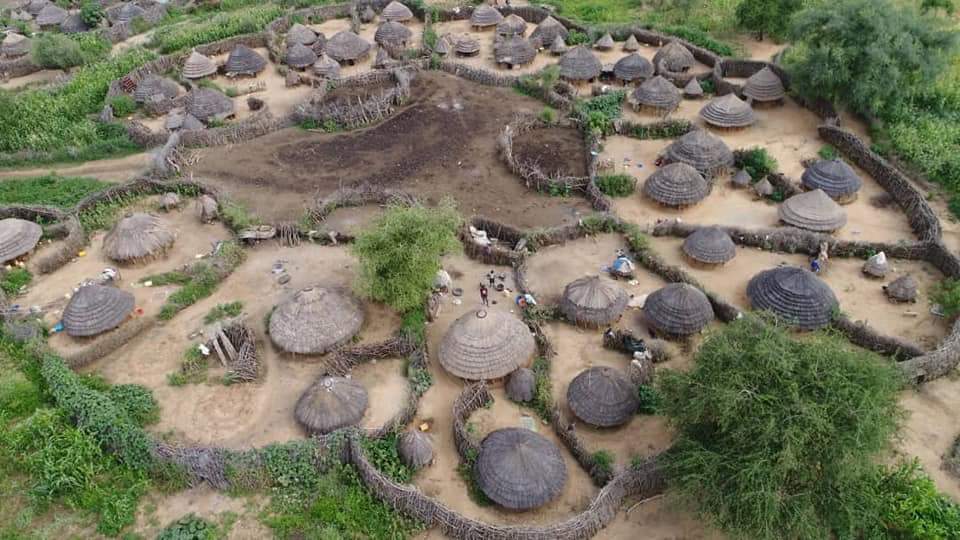
They live communal lifestyles of extended families in large homesteads commonly known as Manyattas. They fence their homesteads with thorny branches to protect themselves from intruders and raiders. The kraal is situated in the Centre of the manyatta and men watch guard overnight around a fire. Chores are evenly divided based on gender. Women do all the house chores including making house structures, cooking , cultivating and processing dairy products while the men tend the cattle roaming the dry savannah plains in search for fresh pastures and water for the cattle.
The young men start to identify their spouses in their youth. A day is set for a young man to show his potential of protecting his family by wrestling against a potential spouse. If the girl defeats the boy, then he is rejected but if he defeats her, dowry is paid and the marriage feast goes on for a few days.
The Karamojong are generally tall people with darker skin complexion possibly due to exposure in the sun for long periods. They have markings and piercings on their faces and arms and other parts of the body that convey hidden messages among them. They generally wear bright colored and light clothing mainly around their private body parts. They also wear a lot of jewelry around their necks, arms, legs and waists. The Karamojong herdsmen are identified with walking sticks, traditional stool, spear and gourds for drinking.
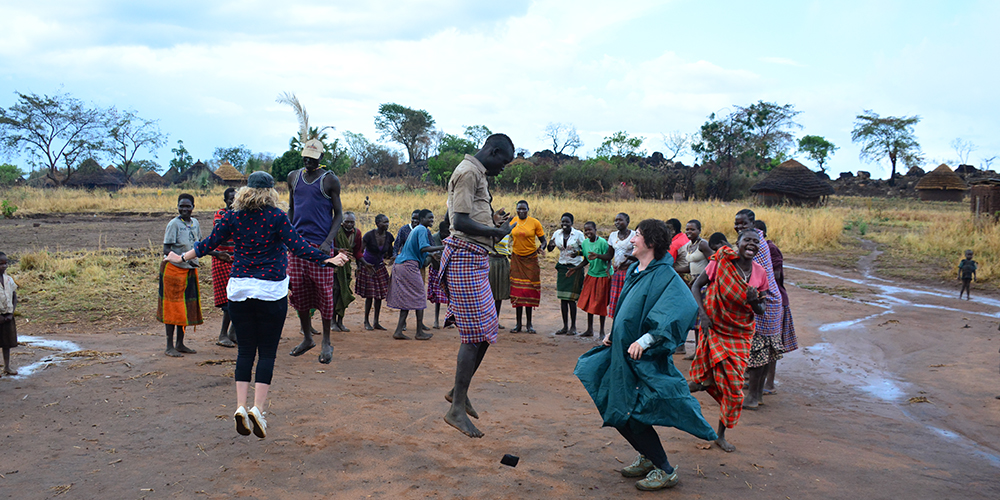
This interesting group of people can be interacted with on your visit to Kidepo Valley National park as they inhabit the surrounding areas. A visit and stay at a Manyatta will get you up close with these formerly primitive people now being sensitized to accept positive change.