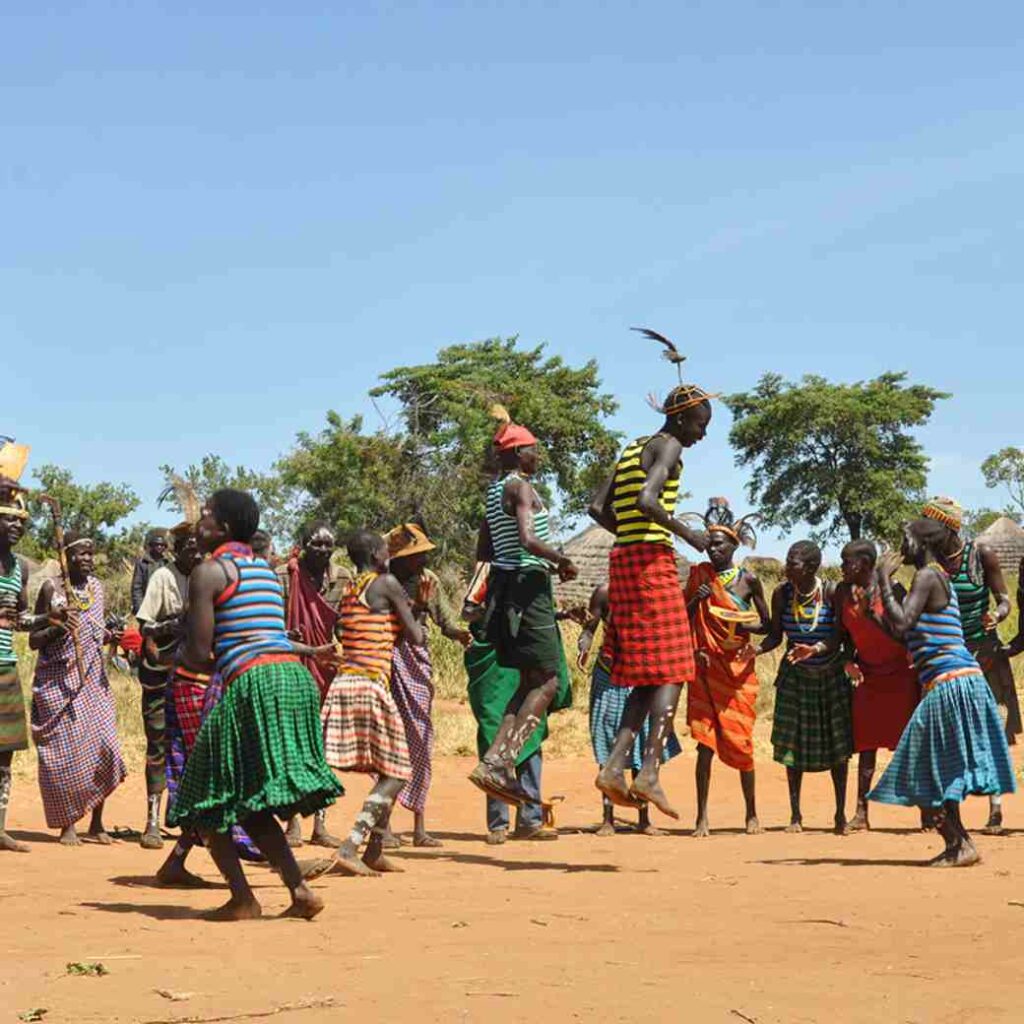
The Naporee people are a subgroup of the larger Karimojong ethnic group, residing primarily in the northeastern part of Uganda, within the Karamoja Region. The Karamojong people, known for their pastoralist way of life, are one of the most distinctive and culturally rich groups in Uganda. While the Karimojong are a larger ethnic community, the Naporee represent a smaller, yet significant subgroup that shares much in common with the Karimojong but also has its own unique customs and social organization.
Location and Settlement
The Naporee live in the Karamoja Region, which lies in northeastern Uganda, bordering Kenya and South Sudan. The region is characterized by arid landscapes, savannah grasslands, and rocky hills, with a predominantly semi-arid climate. The Naporee and their Karimojong cousins have adapted to this challenging environment by developing a pastoral lifestyle, relying heavily on cattle herding for their livelihoods.
The Naporee’s settlements, like those of the broader Karimojong, are typically found in fortified villages, locally called enkangs. These enkangs consist of a cluster of thatched huts surrounded by protective fences made from thorny branches to ward off cattle raiders and wild animals. The Naporee often reside near water sources such as rivers, springs, and wells, which are critical for their livestock and personal survival.
Any safari to or from Kidepo Valley National Park can take you to the Karamoja region where you will immerse yourself in a cultural tour of the Naporee people.
Culture and Way of Life
The Naporee share many cultural similarities with the Karimojong, but there are also distinctions that make them unique. They maintain a deeply traditional lifestyle, revolving around cattle, family bonds, and rituals that have been passed down through generations.
Key Aspects of Naporee Culture:
- Cattle Herding: Like the Karimojong, the Naporee people place immense importance on cattle herding. Cattle are not just an economic asset but also a symbol of wealth, status, and identity. A Naporee man’s social standing is often determined by the number of cattle he owns. Cattle are used for food, milk, and as part of ceremonial exchanges during weddings or other significant life events.
- Cattle raiding: Historically, the Naporee, like the Karimojong, were involved in cattle raiding as a way of acquiring cattle and maintaining power in the region. This practice, while less common today, has had a significant impact on their social and political structure.
- Social Structure: The Naporee, like other Karimojong subgroups, have a patrilineal social structure, meaning that family lineage and inheritance are passed down through the male line. The community is often organized around extended families, with each household being led by a father figure or elder.
- Clan System: The Naporee people have a system of clans, each with a distinct identity and roles in the larger social fabric. These clans play an important role in organizing marriages, rituals, and in settling disputes.
- Traditional Clothing: The traditional dress of the Naporee people is similar to that of the broader Karimojong community. The men typically wear skin garments or leather attire, along with beaded necklaces and bracelets. The women, on the other hand, wear brightly colored shukas (a type of cloth wrapped around the body) and adorn themselves with intricate beads and jewelry. These colorful accessories are important symbols of status and wealth.
- Religion and Beliefs: The Naporee people, like the Karimojong, practice traditional animism and ancestor worship. They believe that the world is governed by spirits that inhabit the land, animals, and ancestors. These spirits are consulted during significant events, such as births, deaths, and rituals.
- Sacred Sites: The Naporee people hold specific sites in their territory as sacred. Certain mountains, trees, and rivers are believed to be inhabited by powerful spirits, and they often perform offerings or rituals at these locations to seek blessings, protection, and good health.
- Rites of Passage: The Naporee maintain important cultural rites of passage that mark the transitions from childhood to adulthood. These rites include the initiation of young boys into manhood, often marked by the practice of circumcision and other ceremonial duties that signal their readiness to take on adult responsibilities. Similar rituals are performed for girls, focusing on the social and moral responsibilities of womanhood, including marriage preparation and the duties of motherhood.
Language
The Naporee people speak Karimojong, which is a dialect of the Eastern Nilotic language family. It is closely related to languages spoken by neighboring groups such as the Iteso and Jie. The Naporee, like many other pastoral groups in the region, also use Swahili and English in their interactions with outsiders, especially for trade and communication with government authorities.
While the Karimojong language is widely spoken in the region, the Naporee dialect has its own specific nuances, and it is vital for outsiders to work with local interpreters or guides when engaging with the Naporee community.
Challenges Faced by the Naporee People
Like many other pastoralist communities, the Naporee people face a number of challenges related to modernity, climate change, and external pressures from surrounding ethnic groups.
1. Climate Change and Drought:
The Karamoja region is one of the driest parts of Uganda, and the Naporee people face significant challenges related to water scarcity and droughts. These environmental changes make it increasingly difficult for them to sustain their herds of cattle and maintain their agricultural activities. The erratic weather patterns threaten both their food security and livelihood.
2. Conflicts with Neighbors:
The Naporee have historically been involved in inter-tribal conflicts, particularly over land and cattle. Conflicts with neighboring groups, especially over grazing rights and water access, have often led to violence. Though these tensions have eased in recent years due to the establishment of peace agreements, the threat of cattle rustling and raids still looms in some areas.
3. Lack of Infrastructure and Development:
Due to their isolated location and traditional way of life, the Naporee, like other communities in Karamoja, often suffer from a lack of basic services, including healthcare, education, and roads. Government and non-governmental organizations (NGOs) have made some efforts to address these issues, but progress remains slow.
Cultural Tourism and Interaction with the Naporee People
Tourism to the Karamoja region, including visits to the Naporee people, is growing, as travelers seek to experience traditional life in one of Uganda’s most remote and culturally rich regions. Visiting the Naporee offers a unique cultural experience where travelers can learn about their way of life, observe their cattle-herding traditions, and take part in social activities such as traditional dances, storytelling, and rituals.
Cultural tourism in the Naporee community helps support the local economy and offers the Naporee a chance to showcase their heritage to the outside world. Visitors are often guided by local Naporee or Karimojong guides who share their knowledge and ensure respectful and meaningful interactions with the community.