The Crop to Cup Coffee Experience in Rwanda
Rwanda is internationally recognized for producing high quality Arabica coffee. This reputation comes from fertile volcanic soils, high altitudes, and a climate that allows coffee to mature slowly and develop complex flavors.
As a result, Rwandan coffee is known for its rich aroma, balanced acidity, and full bodied taste.
During a coffee tour, visitors gradually move through each stage of production. First, they learn how to identify ripe coffee cherries during harvesting. Next, they observe washing and fermentation, followed by drying and roasting. Finally, the process ends with brewing and tasting, often using organic and traditional methods.
By the end of the experience, coffee is no longer just a drink. It becomes a story shaped by land, labor, and time.
Coffee Tours Along the Shores of Lake Kivu
One of the most memorable settings for a coffee tour in Rwanda is along the shores of Lake Kivu, especially near the town of Gisenyi. Here, coffee plantations stretch toward the lake, creating a calm and reflective atmosphere.
Often, the experience begins with a scenic boat cruise from Gisenyi to Nyamirundi Island. Along the way, visitors enjoy views of rolling hills, small fishing boats, and lush green slopes that define the Lake Kivu region.
Meanwhile, the gentle movement of the water and the fresh lake air set a relaxed tone for the day ahead.
Visiting Ingoboka Coffee Cooperative
Upon reaching Nyamirundi Island, visitors are welcomed at the Ingoboka Coffee Cooperative. This community-based initiative supports many local families through sustainable coffee farming and fair trade practices.
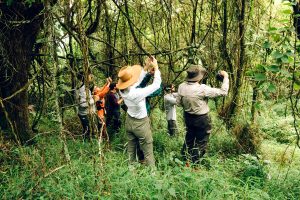
Here, guests are not just observers. Instead, they are invited into the plantation to take part in harvesting coffee cherries. Through this hands-on participation, visitors gain a clearer understanding of the skill, patience, and effort required to produce high quality coffee.
At the same time, guides explain how cooperative models help stabilize income and strengthen rural communities.
Coffee Processing, Roasting, and Tasting
After harvesting, the experience continues at the Gashashi washing station. At this stage, visitors learn how coffee cherries are processed through a detailed, multi-step washing system designed to maintain consistency and quality.
Following this, the tour shifts toward roasting. Using traditional open-fire methods, coffee beans are roasted slowly while guides explain how roasting time affects flavor. Once roasted, the beans are ground and brewed on site.
Finally, the experience concludes with a tasting session. Here, visitors sample freshly prepared coffee while learning how aroma, acidity, and body come together in each cup.
Why Choose a Coffee and Tea Tour in Rwanda
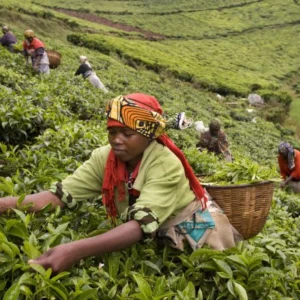
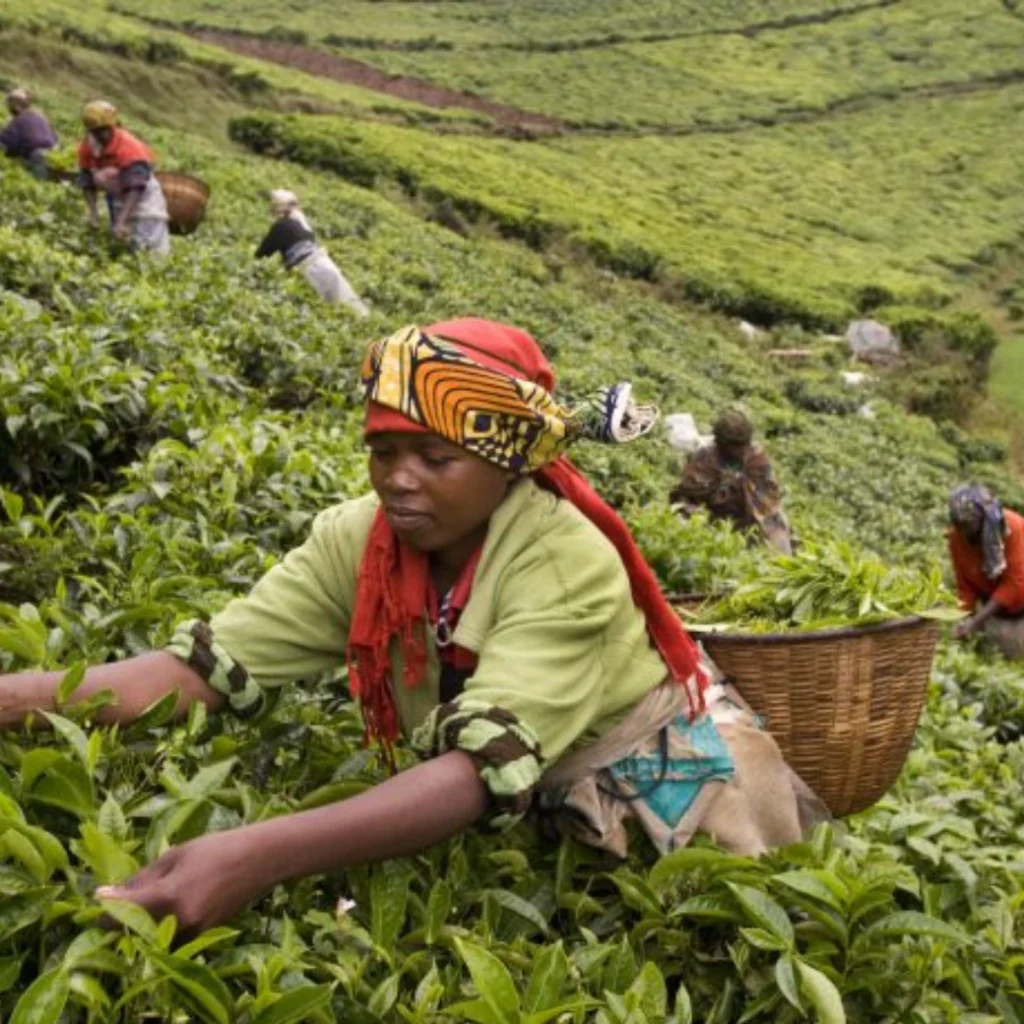
Coffee and tea tours in Rwanda offer more than agricultural insight. They combine culture, landscape, and community into a single experience. At the same time, they support local cooperatives, encourage sustainable farming, and deepen understanding of rural life.
Moreover, these tours provide a quieter alternative to wildlife-focused itineraries, allowing travelers to slow down and engage with Rwanda at ground level.
Whether you are a dedicated coffee enthusiast or simply curious about local traditions, Rwanda’s coffee and tea tours offer a thoughtful way to connect with the country’s people and landscapes.
Conclusion
Rwanda’s coffee and tea tours reveal a side of the country shaped by patience rather than performance. From volcanic hillsides to lakeside plantations, each step in the process reflects care, rhythm, and connection to the land.
Long after the taste fades, what remains is an understanding of how something as simple as a cup of coffee carries the story of a place.