Taking up a Big Apes Safari in Uganda and Rwanda offers travelers an extraordinary opportunity to witness some of the world’s most sort for primates in their natural habitats. These safaris combine thrilling encounters with gorillas and chimpanzees, captivating landscapes, and cultural immersion. This guide will help you understand what makes Big Apes Safaris so special, the key destinations, activities, and essential tips for planning your trip.
Why Choose a Big Apes Safari?
Big Apes Safaris are designed for nature enthusiasts, adventure seekers, and conservation advocates. Here’s why they stand out:
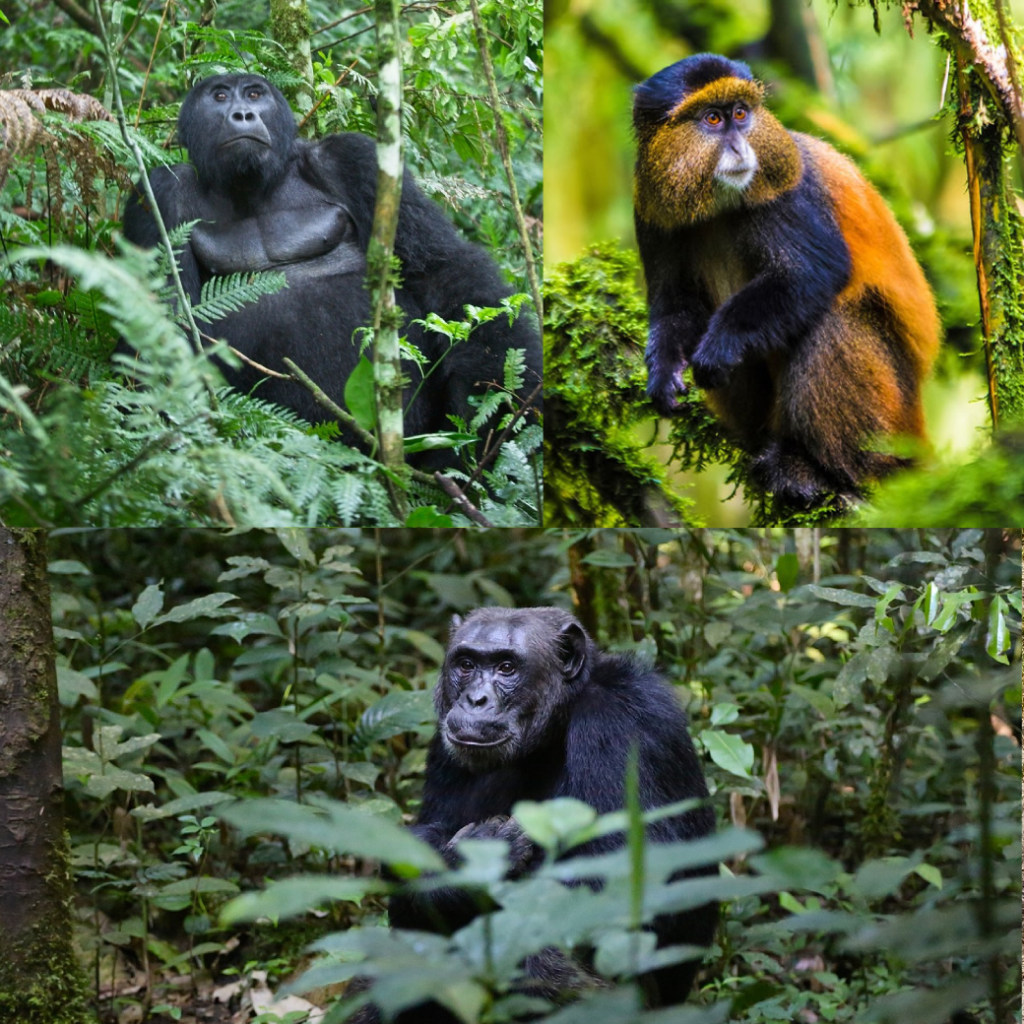
- Rare Encounters: Meet the mountain gorillas, golden monkeys, and chimpanzees in pristine forests.
- Diverse Habitats: Explore misty mountains, tropical rainforests, and scenic gorges.
- Conservation Impact: Support efforts to protect endangered primates and their habitats.
Top Destinations for Big Apes Safaris
1. Bwindi Impenetrable Forest National Park, Uganda
Bwindi is a UNESCO World Heritage Site and home to nearly half the world’s population of mountain gorillas. With four tracking sectors (Buhoma, Ruhija, Rushaga, and Nkuringo), Bwindi offers a chance to get up close with these gentle giants.
Activities in Bwindi:
- Gorilla Trekking: Spend an hour observing a habituated gorilla family in the wild.
- Gorilla Habituation Experience: Enjoy up to four hours with gorillas under habituation.
- Birding: Spot over 350 bird species, including the Albertine Rift endemics.
- Cultural Tours: Visit the Batwa pygmy communities to learn about their forest heritage.
2. Volcanoes National Park, Rwanda
Nestled in the Virunga Mountains, Volcanoes National Park is Rwanda’s prime gorilla trekking destination. The park also protects golden monkeys and offers stunning mountain scenery.
Activities in Volcanoes National Park:
- Gorilla Trekking: Encounter Rwanda’s well-protected mountain gorillas.
- Golden Monkey Trekking: Observe playful golden monkeys in the bamboo forests.
- Dian Fossey Hike: Visit the resting place of the legendary primatologist.
- Cultural Experiences: Engage in Rwandan cultural performances and village visits.
3. Kibale Forest National Park, Uganda
Known as the “Primate Capital of the World,” Kibale boasts a dense population of chimpanzees alongside other 12 primate species.
Activities in Kibale Forest:
- Chimpanzee Trekking: Observe chimps in their natural environment, a highlight for any primate lover.
- Chimpanzee Habituation Experience: Spend a full day with researchers observing chimp behavior.
- Bigodi Wetlands Sanctuary: Explore this community-run swamp, home to diverse primates and birds.
4. Nyungwe Forest National Park, Rwanda
Nyungwe is a biodiversity hotspot offering a serene setting for primate tracking and canopy walks.
Activities in Nyungwe Forest:
- Chimpanzee Trekking: Track chimps in the dense forests of Cyamudongo or Uwinka.
- Colobus Monkey Tracking: Marvel at large troops of black-and-white colobus monkeys.
- Canopy Walk: Enjoy breathtaking views from a 60-meter high canopy walkway.
- Hiking Trails: Explore over 13 trails that traverse waterfalls and lush forests.
5. Kyambura Gorge, Uganda
Dubbed the “Valley of Apes,” Kyambura Gorge in Queen Elizabeth National Park offers a unique trekking experience for a small population of chimpanzees.
Activities in Kyambura Gorge:
- Chimpanzee Trekking: Encounter chimps in a scenic gorge setting.
- Bird Watching: Spot unique forest and savannah species.
- Scenic Walks: Explore the lush gorge and enjoy its panoramic views.
What to Expect During a Big Apes Safari
1. Gorilla Trekking
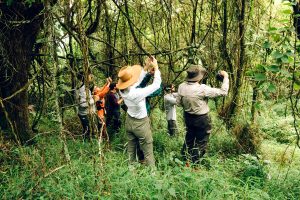
Gorilla trekking involves navigating forest trails to locate a habituated gorilla family. Treks can last from one to six hours depending on the location of the gorillas. Once found, visitors spend an hour observing their behavior.
2. Chimpanzee Trekking
Unlike gorillas, chimps are more active and vocal. Tracking them often involves following their calls and observing them as they swing through the trees or forage on the ground.
3. Golden Monkey Trekking
Golden monkey treks are shorter and less strenuous, focusing on finding these agile primates in bamboo zones.
4. Wildlife Viewing
Besides primates, expect to see a variety of other wildlife, from elephants and buffalos to colorful birds and unique insects.
5. Cultural Immersion
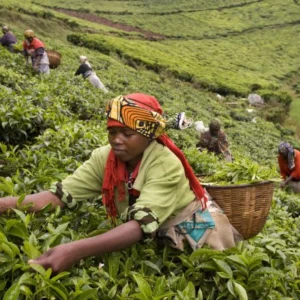
Big Apes Safaris often include cultural tours where visitors interact with local communities and learn about their traditions.
Best Time to Visit
The best time for Big Apes Safaris is during the dry seasons:
- June to September
- December to February
During these periods, forest trails are less muddy, and wildlife spotting is easier.
Planning Your Big Apes Safari
1. Permits
Secure gorilla and chimp trekking permits well in advance. Prices vary:
- Uganda Gorilla Permit: $800 (discounts available during the low season).
- Rwanda Gorilla Permit: $1,500.
2. Packing List
- Comfortable hiking boots.
- Lightweight, long-sleeved clothing.
- Rain gear and gloves.
- Insect repellent and sunscreen.
- Camera and binoculars.
3. Fitness Preparation
Trekking can be physically demanding, so ensure you’re in good health and prepared for the hikes.
4. Guided Tours
Booking with a reputable tour operator ensures seamless logistics, from permits to accommodation and transportation.
Conservation Efforts
Big Apes Safaris contribute directly to primate conservation. Funds from permits and tourism activities support anti-poaching efforts, community projects, and habitat preservation.
Why Combine Uganda and Rwanda?
Combining Uganda and Rwanda in a single safari provides a richer experience:
- Varied Landscapes: From Bwindi’s dense forests to Volcanoes’ dramatic mountains.
- Cost Efficiency: Uganda offers more affordable permits, while Rwanda provides luxury trekking options.
- Proximity: The two countries share the Virunga region, making cross-border travel convenient.
Start planning your Big Apes Safari today and immerse yourself in the wonders of Uganda and Rwanda!