Location Of Igara Tea Factory
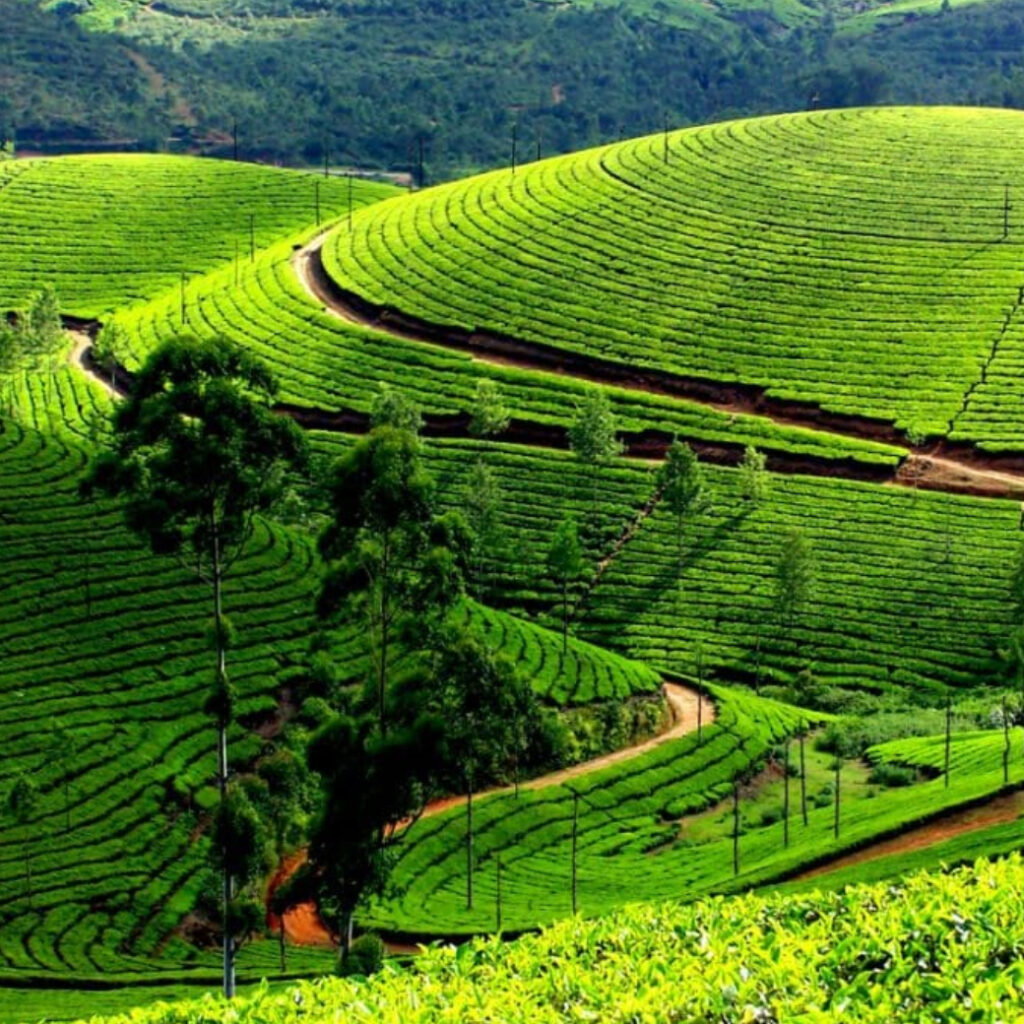
Nestled in the lush hills of Bushenyi District in western Uganda, Igara Tea Factory is more than just a tea processing facility; it’s a living testament to Uganda’s tea heritage and a serene destination for travelers. As you journey through the scenic landscapes of western Uganda on a safari, stopping by Igara Tea Factory offers an immersive experience into Uganda’s agricultural roots, with a chance to witness tea production firsthand and savor some of the finest teas in East Africa. For anyone looking to explore Uganda beyond its wildlife, Igara Tea Factory is an enriching, aromatic detour that highlights a vibrant part of the country’s economy and culture. Founded in 1969, Igara Tea Factory has a storied history that reflects Uganda’s agricultural evolution.
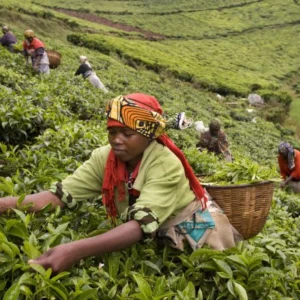
Uganda’s tea industry dates back to the early 20th century when tea was introduced as a cash crop by British colonialists. Since then, tea has grown to become one of Uganda’s leading exports, alongside coffee and cotton. Today, Igara Tea Factory stands as one of the country’s prominent tea-processing plants, producing high-quality black tea that is exported to countries worldwide. Igara is managed as a cooperative, owned by over 7,000 smallholder tea farmers from the surrounding regions. Each farmer brings their fresh tea leaves to the factory for processing, and profits from the tea are shared among the members. This cooperative model empowers local farmers by offering them a stable income, making the factory an integral part of the community and the local economy.
Tea Production Process In Uganda
One of the main highlights of a visit to Igara Tea Factory is the guided tour that takes you through each step of the tea production process. From the moment the fresh green tea leaves are brought in by farmers to the final product being packaged for export, the tour offers a fascinating look at the journey from leaf to cup.
- Receiving and Withering: Freshly harvested tea leaves are brought to the factory daily and weighed before they begin the withering process. During this stage, moisture is removed from the leaves in large, specially-designed troughs, preparing them for the next step. The factory staff explains how critical this process is to achieving the right balance in flavor and aroma.
- Cutting, Tearing, and Curling (CTC): Igara Tea Factory primarily produces black tea, which undergoes the CTC process. The withered leaves are cut, torn, and curled using advanced machinery to release essential oils that contribute to the tea’s rich flavor profile. Visitors are guided through the technical aspects of this process, learning how machinery and careful timing are used to create quality tea.
- Fermentation and Drying: After the CTC process, the leaves are spread out in a controlled environment to ferment, where they develop their color and flavor. This stage is essential for black tea, as it creates the deep, robust flavors that define it. Next, the tea leaves are dried to preserve these flavors, and the warm, fragrant air fills the factory, giving visitors a sense of the tea’s final aroma.
- Sorting and Packaging: Once dried, the tea leaves are sorted by grade to meet the quality standards for different markets. Igara Tea Factory packages the highest grades for export to international markets and local retail. The staff explains Uganda’s grading system and how quality control is maintained, ensuring that each batch meets rigorous standards. Throughout the tour, the guides provide fascinating insights into tea production, explaining how each stage affects the flavor and aroma of the final product. Seeing this process up close helps visitors appreciate the skill and dedication involved in tea production.
- Tea Tasting: After the factory tour, visitors are invited to participate in a tea tasting session, which is a sensory highlight of the visit. Ugandan black tea is known for its bold, full-bodied flavor with hints of floral and fruity notes, and Igara’s tea is no exception. During the tasting, you’ll be guided through the subtleties of different tea grades, learning how to detect the various flavors and textures that make Ugandan tea unique. The tea tasting experience also provides an opportunity to learn about the health benefits of tea. Ugandan black tea is rich in antioxidants, which are known to support heart health, improve focus, and boost the immune system. The guides often share tips on how to brew tea to bring out its best qualities, whether you prefer it plain, with milk, or with a touch of honey.
Why Visit Igara Tea Factory In Western Uganda?
Adding Igara Tea Factory to your Uganda safari itinerary provides a chance to experience the country from a different angle. While Uganda is famed for its wildlife and natural beauty, the tea factory introduces visitors to the agricultural heart of the nation. By visiting Igara, you gain a greater appreciation for Uganda’s diverse economy, the people who contribute to it, and the cultural heritage rooted in agriculture.
Igara Tea Factory also offers a refreshing contrast to the typical safari activities. After a day of wildlife spotting and adventure, the tranquility of the tea plantations provides a relaxing and peaceful atmosphere. Additionally, purchasing tea directly from the factory supports local farmers and provides a thoughtful souvenir from your travels in Uganda.
Igara Tea Factory is conveniently located near the town of Bushenyi, making it easily accessible for travelers in western Uganda. The factory is about a 6-hour drive from Kampala, and just over an hour from Queen Elizabeth National Park, making it an ideal stop for those exploring Uganda’s national parks.
The factory is open to visitors year-round, although the best time to visit is during the harvest seasons, when tea production is at its peak, usually between March and May, and September to November. To ensure a comprehensive tour, it’s recommended to book a guided visit in advance.